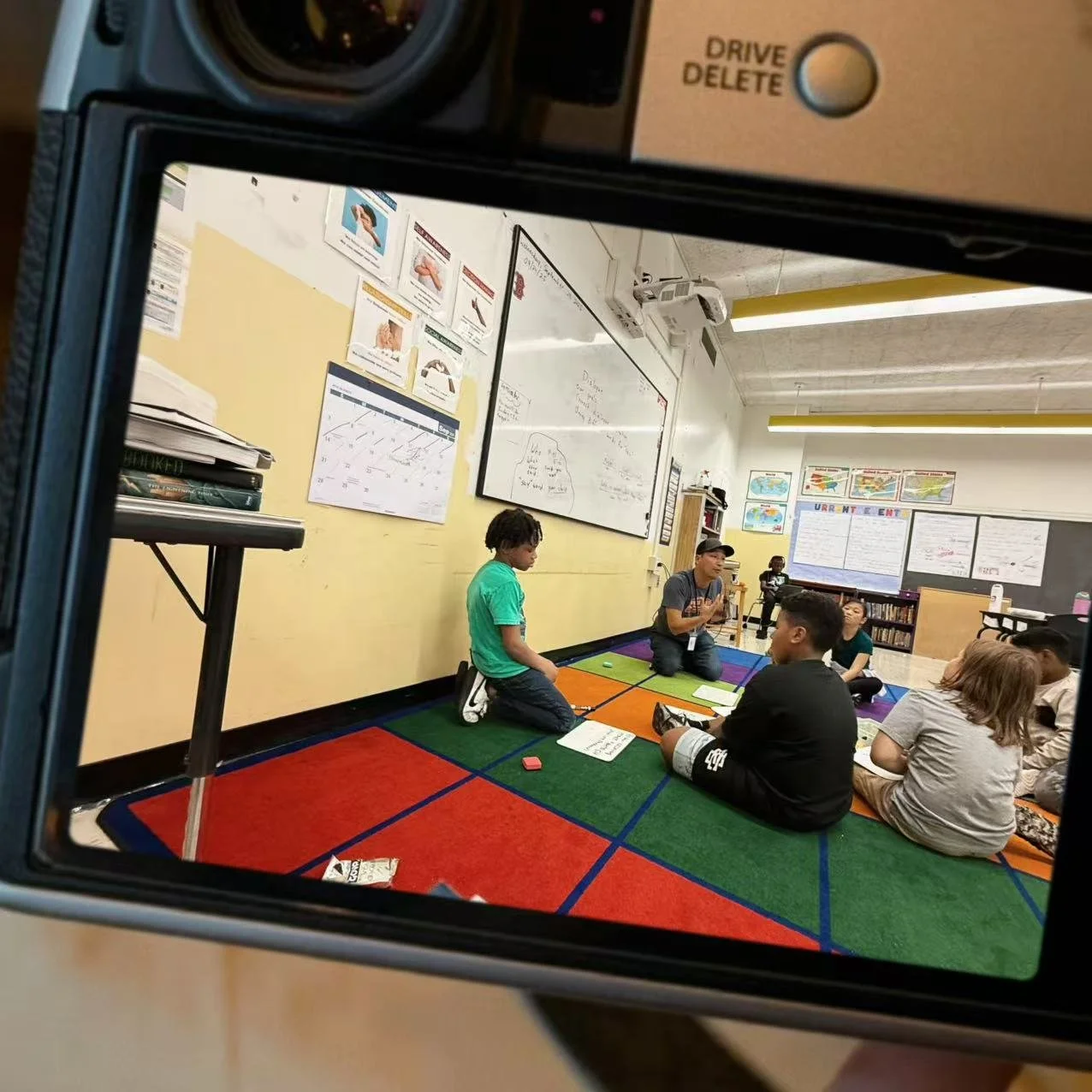
Literacy Intervention?
.Literacy intervention refers to targeted, systematic instruction designed to support students who experience difficulties in reading and writing. It goes beyond regular classroom teaching and focuses on addressing specific skill gaps that prevent learners from accessing grade-level literacy content. The goal of literacy intervention is to help students build foundational skills so they can become confident, independent readers and writers.
Literacy intervention commonly targets key areas of literacy development, including phonological awareness, phonics, reading fluency, vocabulary, reading comprehension, and writing skills. Instruction is based on diagnostic assessments, which allow educators to identify each student’s strengths and weaknesses and design instruction that responds directly to their needs.
This type of instruction is usually delivered in small groups or through one-on-one sessions. It is explicit, structured, and intensive, meaning skills are taught clearly, practiced repeatedly, and reviewed frequently. Students’ progress is monitored on a regular basis so instruction can be adjusted as needed.
Literacy intervention is often part of school-wide support systems such as Response to Intervention (RTI) or Multi-Tiered Systems of Support (MTSS). Within these frameworks, students who require additional help receive increasing levels of support, ranging from small-group intervention to individualized, intensive instruction.
Overall, literacy intervention plays a crucial role in promoting educational equity by ensuring that students who struggle with reading and writing receive timely, evidence-based support to close learning gaps and fully participate in academic learning.