Taylor Yao & Brit Saunders
Harvard Graduate School of Education
EDU T519 Digital Fabrication and Making in Education
Bertrand Schneider
15 December 2025
Final Blog Post & Capstone Product Description
Final Product Intro.
In our T519 Digital Fabrication and Making in Education course, Brit and I collaboratively created the Ancient Egyptian Hierarchy Chess Game, a learning tool that teaches players about Egypt’s social structure through gameplay. The project combined digital fabrication, historical inquiry, and design thinking, transforming a traditional game into an engaging educational experience. Our work reflected the course’s maker-centered philosophy—learning through designing, building, and iterating.
Playing Power: Reimagining Ancient Egyptian Social Hierarchy Through Chess
Motivation (written by Brit; edited by Taylor)
How might we help early high school students experience Ancient Egyptian social hierarchy, rather than merely memorize it?
Our final project began with this deceptively simple question.
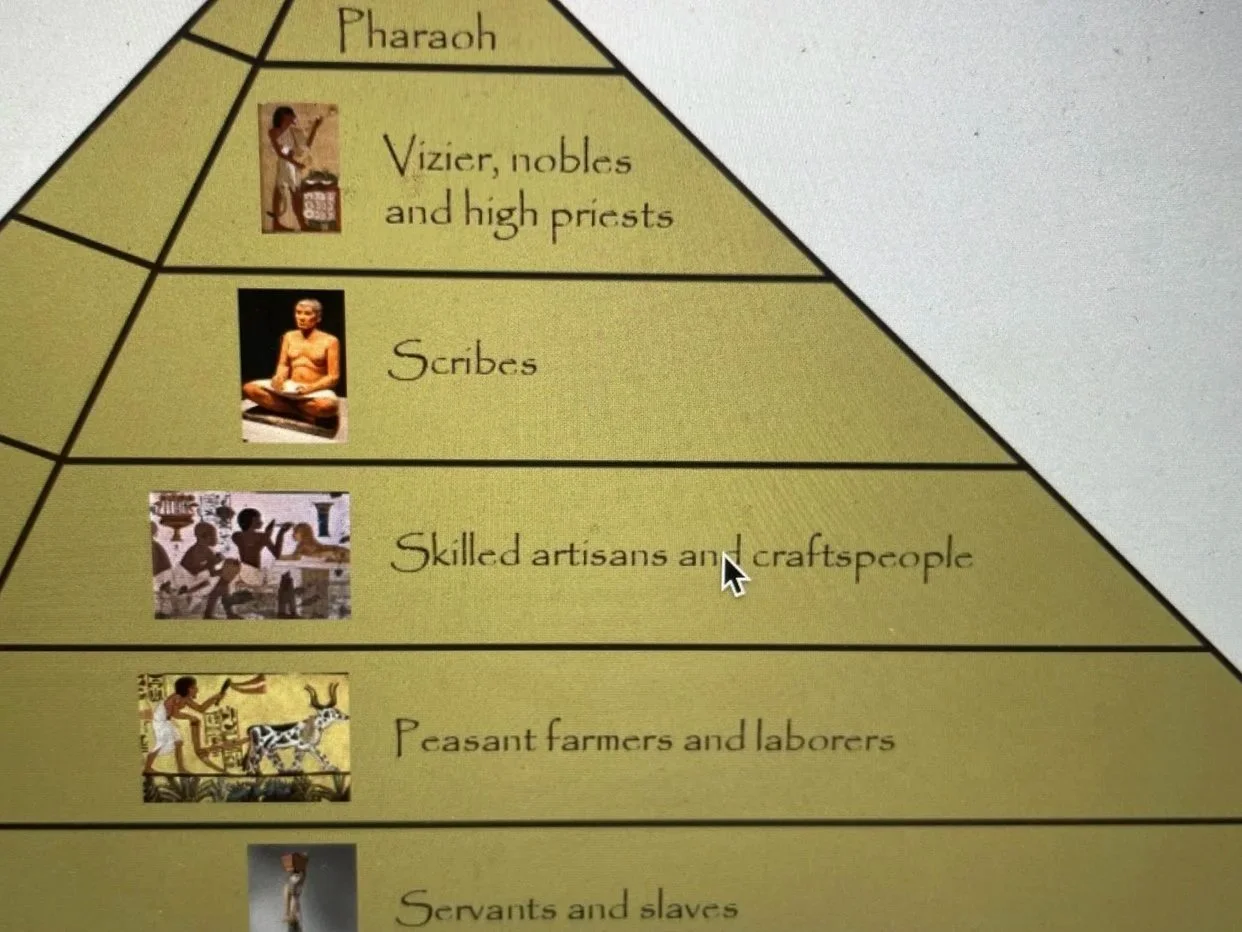
My teammate, Brit, who taught history in high school for several years, observed that students often recall prominent titles, such as Pharaoh, Vizier, or Scribe, but struggle to understand how these roles relate to one another or how power actually operated within the system. This contrasting teaching experience motivated us to undertake this project to address this gap. By designing the learning tool, we aimed to help students grasp who held privilege, who had social mobility, and who did not within the ancient Egyptian social framework. Therefore, they are engaged in a game-based environment that allows them to navigate and interact with the hierarchy, rather than passively encountering it as a static diagram in a textbook.
An Egypt-themed chess game becomes an ideal choice for us, as it is fundamentally about power and movement. Each piece operates under distinct abilities, strengths, and constraints, forming an inherently hierarchical system. Reimagining chess through the lens of Ancient Egypt would also allow learners to leverage this built-in metaphor to represent social structure and power dynamics. And our target audience, as mentioned, is mainly high school students, as they are mentally ready to learn the mechanics of chess while also capable of engaging in meaningful discussions about how social systems distribute power and reinforce inequality.
When reviewing related work, we found many historical chess sets and themed board games, but the majority of them focus primarily on aesthetic modification. While they are visually engaging, these designs rarely perform meaningful instructional work or explicitly connect game mechanics to historical concepts. Our project, thus, aims to extend beyond surface-level theming by making the ancient Egyptian hierarchy the core mechanic of play.
Design Process (written by Brit; edited by Taylor)
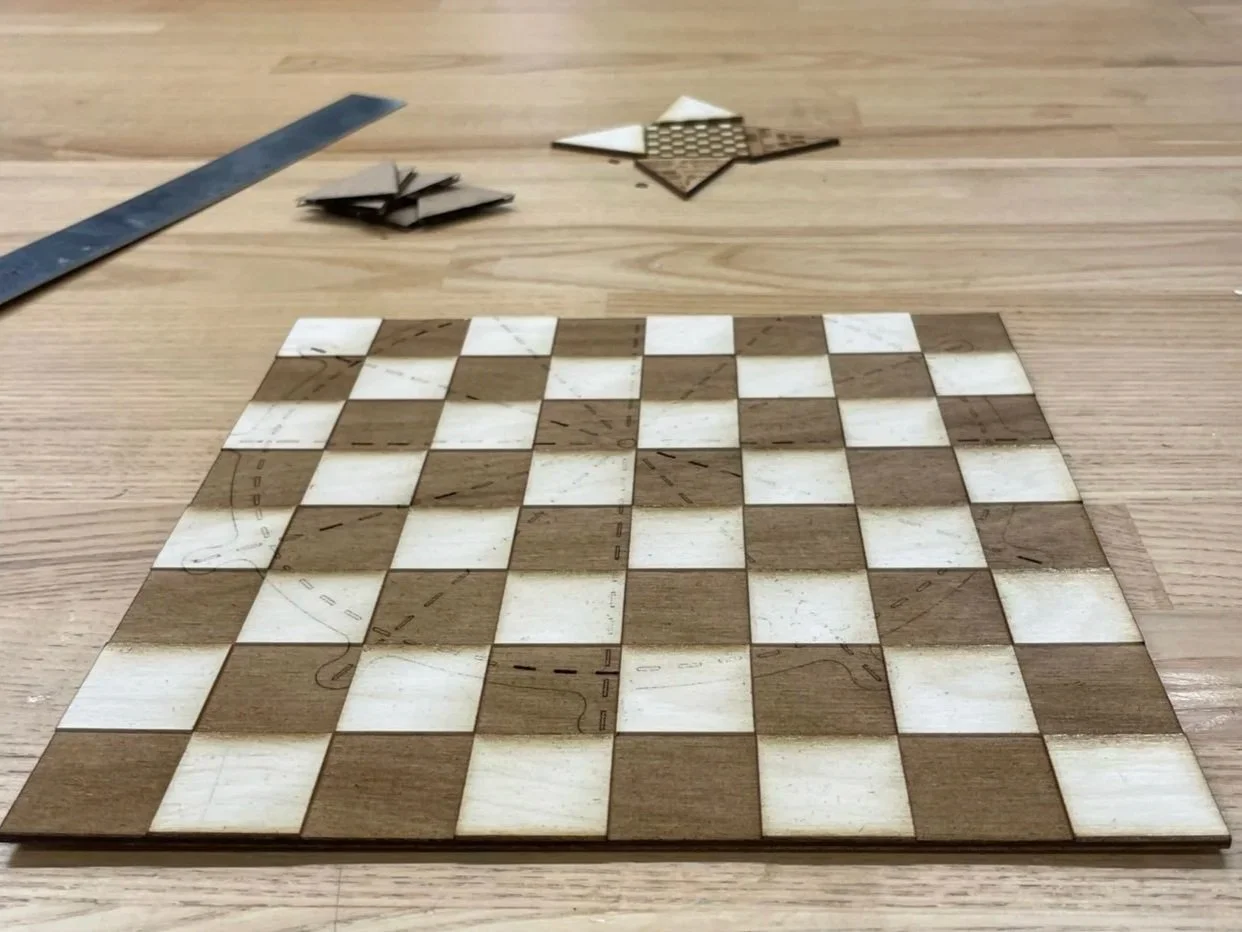
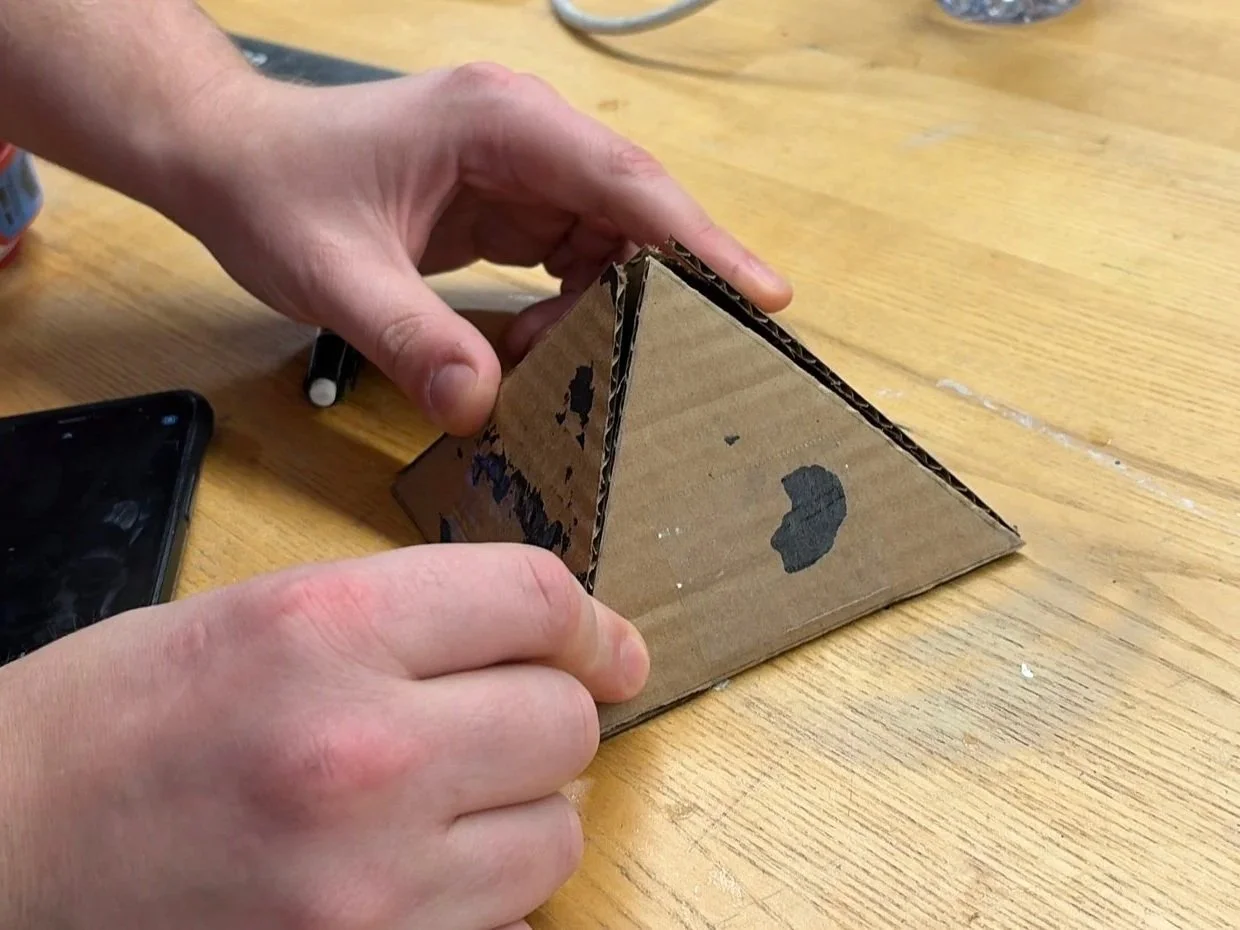
Our design process involved a series of deliberate choices as well as necessary constraints. In our first prototype, we experimented with a laser-cut chessboard engraved with curved lines intended to evoke elements of Ancient Egyptian geography. However, early user testing revealed that this design choice was not functioning as intended: participants interpreted the lines as roads, decorative patterns, or movement paths rather than geographic cues. This feedback made it clear that the board surface was not communicating meaning on its own, prompting us to reconsider how representational elements could more clearly support the instructional goals of the game.
Similarly, while we originally planned to create custom silhouettes for each social group in the hierarchy—Pharaoh, Vizier, Scribes, Artisans, Peasants, and Servants/Slaves—we were ultimately unable to realize this vision within the course timeline. As my teammate Brit reflected in his final blog post, we underestimated the time required to meaningfully iterate on iconography, and as a result, relied on modified versions of standard chess pieces. User feedback reinforced the implications of this decision: although the conceptual hierarchy was strong, it was not always visually legible through the pieces themselves, which limited how intuitively players could infer roles and power relationships without explanation.
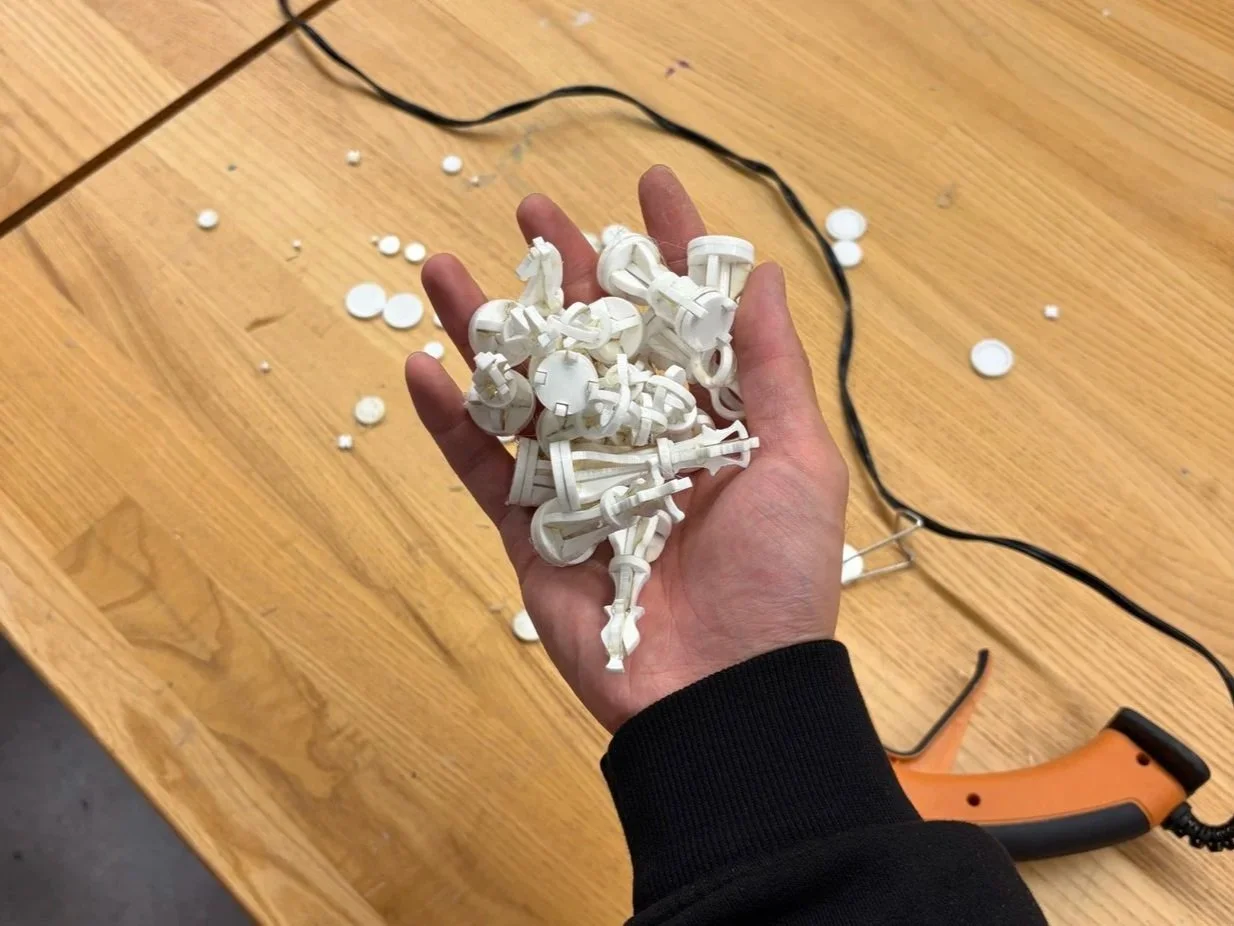
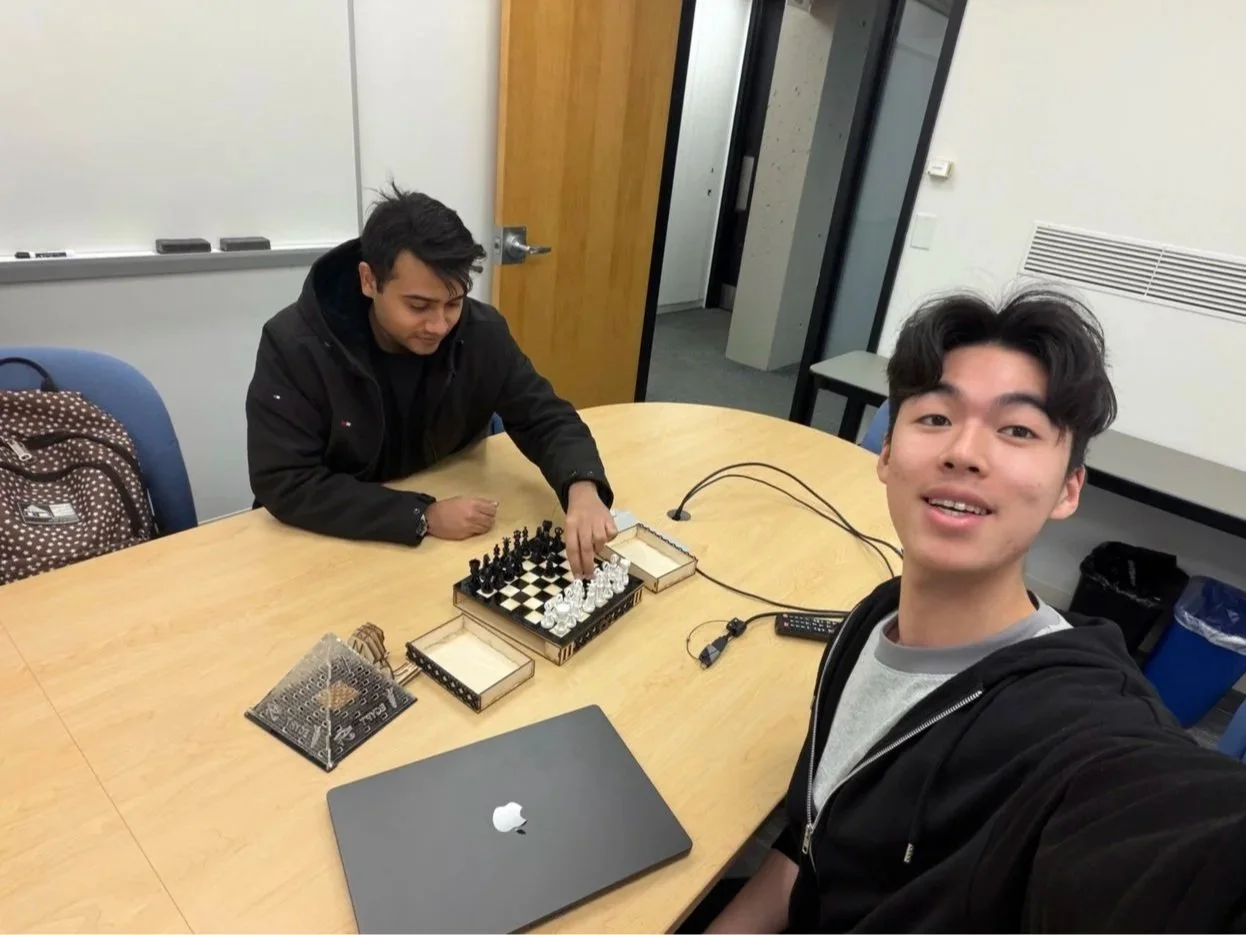
At the same time, subsequent informal and formal user testing offered important insights into how these tradeoffs shaped the experience. After I laser-cut a full set of adjusted chess pieces and tested the complete box with a peer, the familiarity of the forms made it easy for players to begin engaging with the game immediately. However, once our original plan for fully Egypt-themed pieces was explained, testers expressed a clear desire to see those designs realized. The T519 teaching team echoed this response, encouraging us to strengthen the visual narrative of the board and ensure that hierarchy and context could be inferred through interaction rather than instruction. This feedback helped us recognize both the strengths and limitations of our final iteration, and reframed imperfection as an invitation for continued design work beyond the course rather than a shortcoming of the project.
Final Design (written by Brit; edited by Taylor)
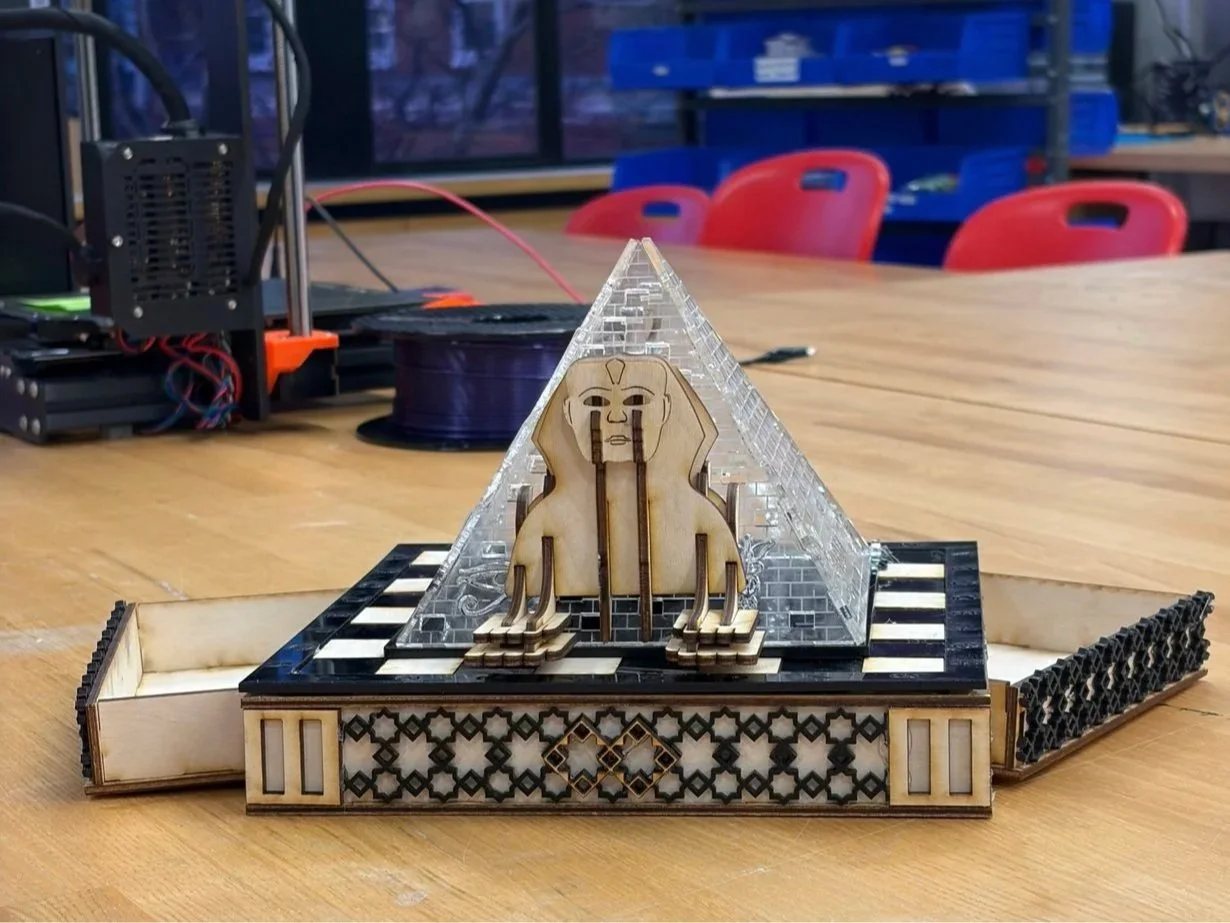
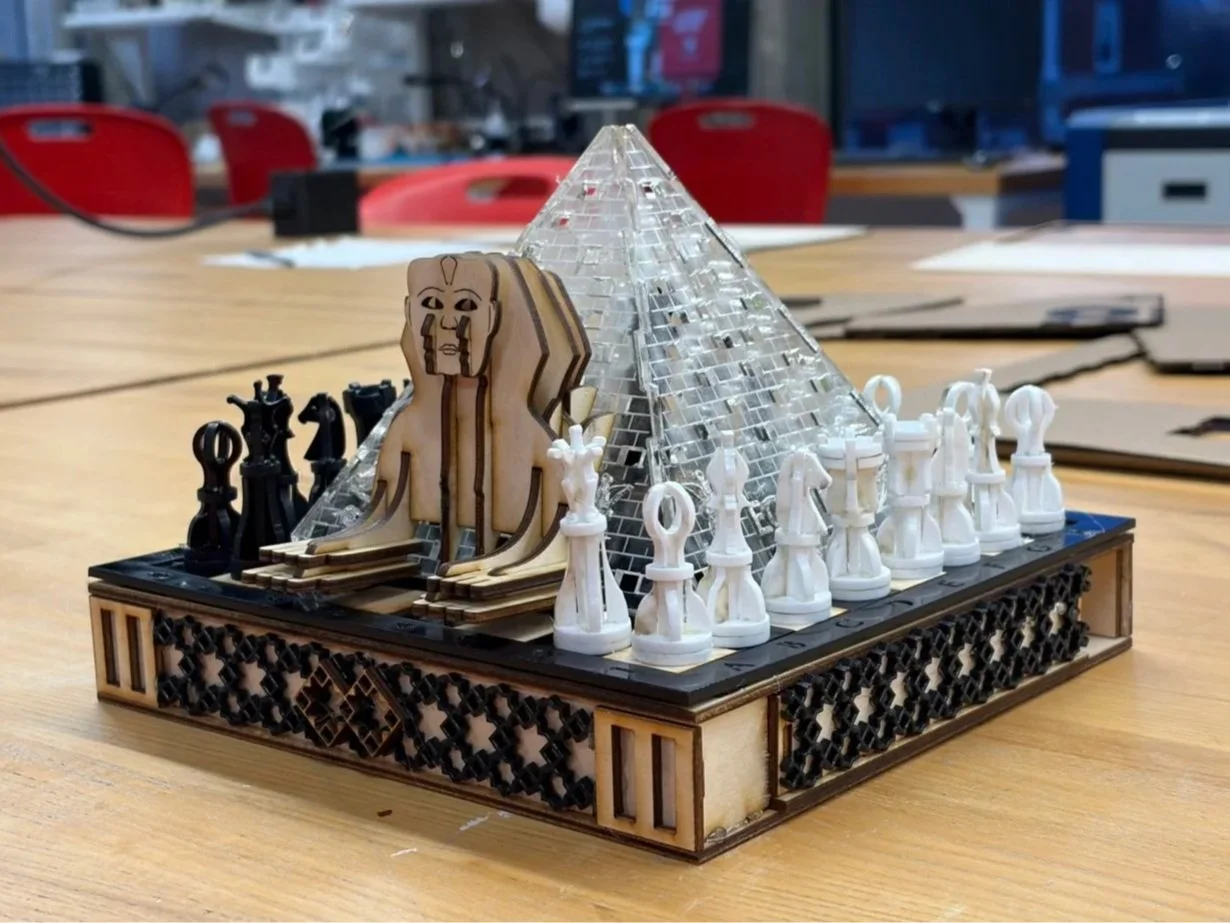
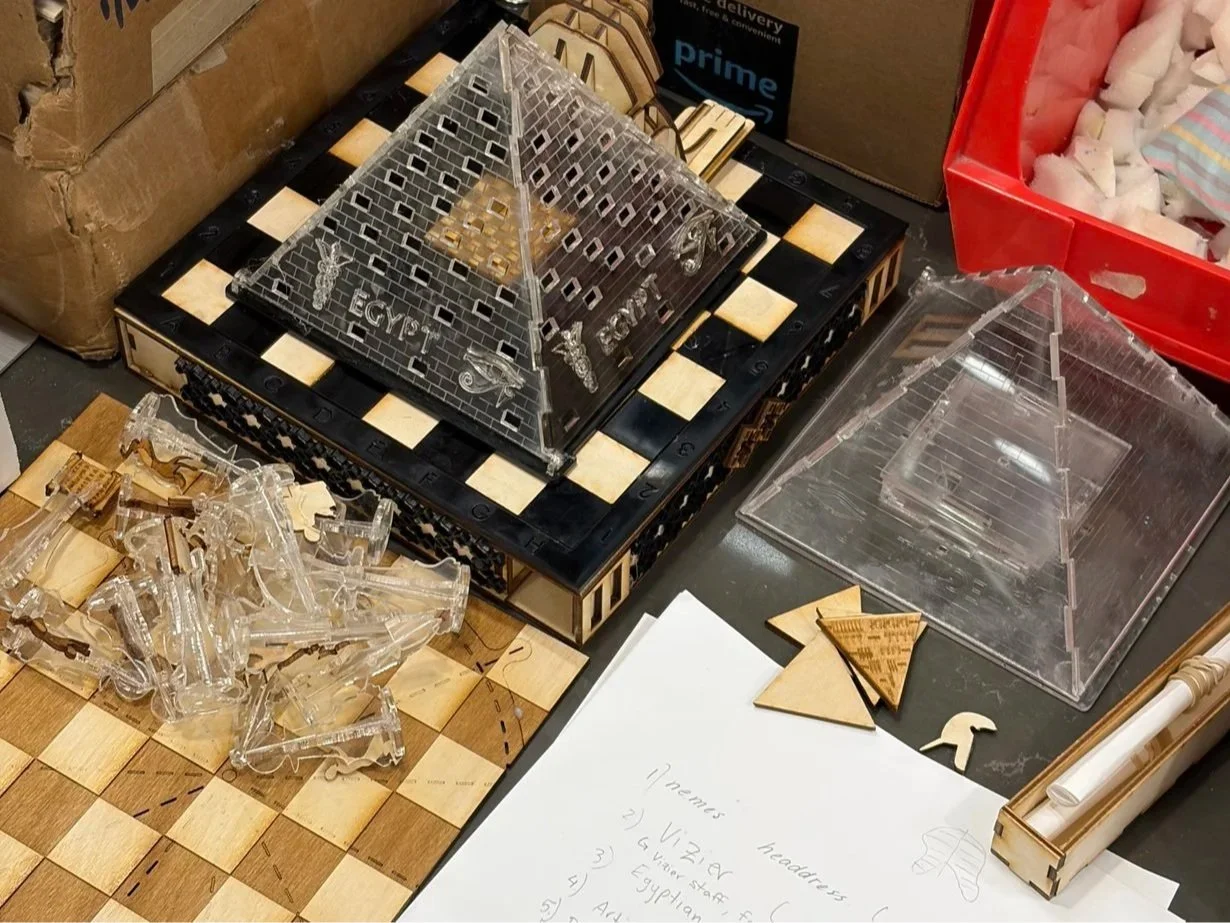
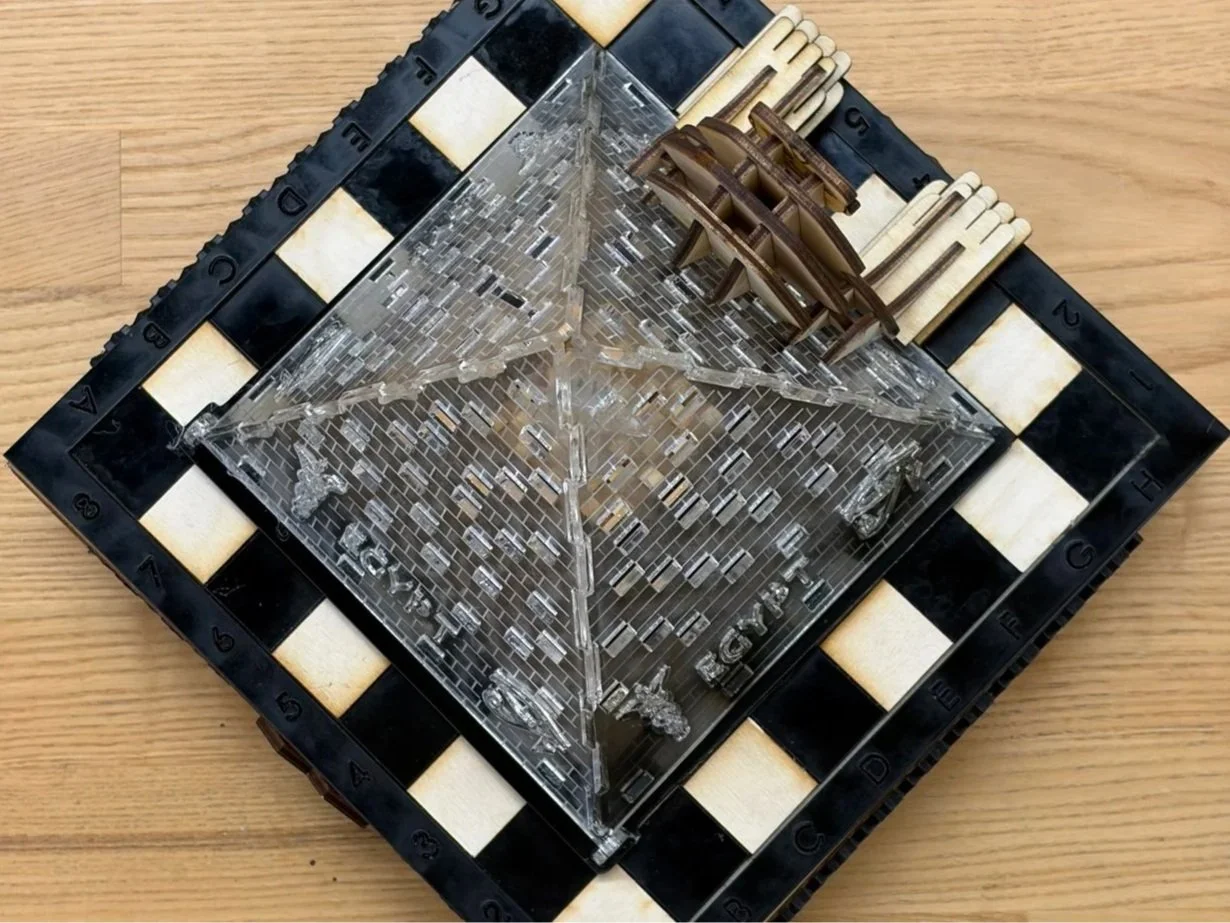
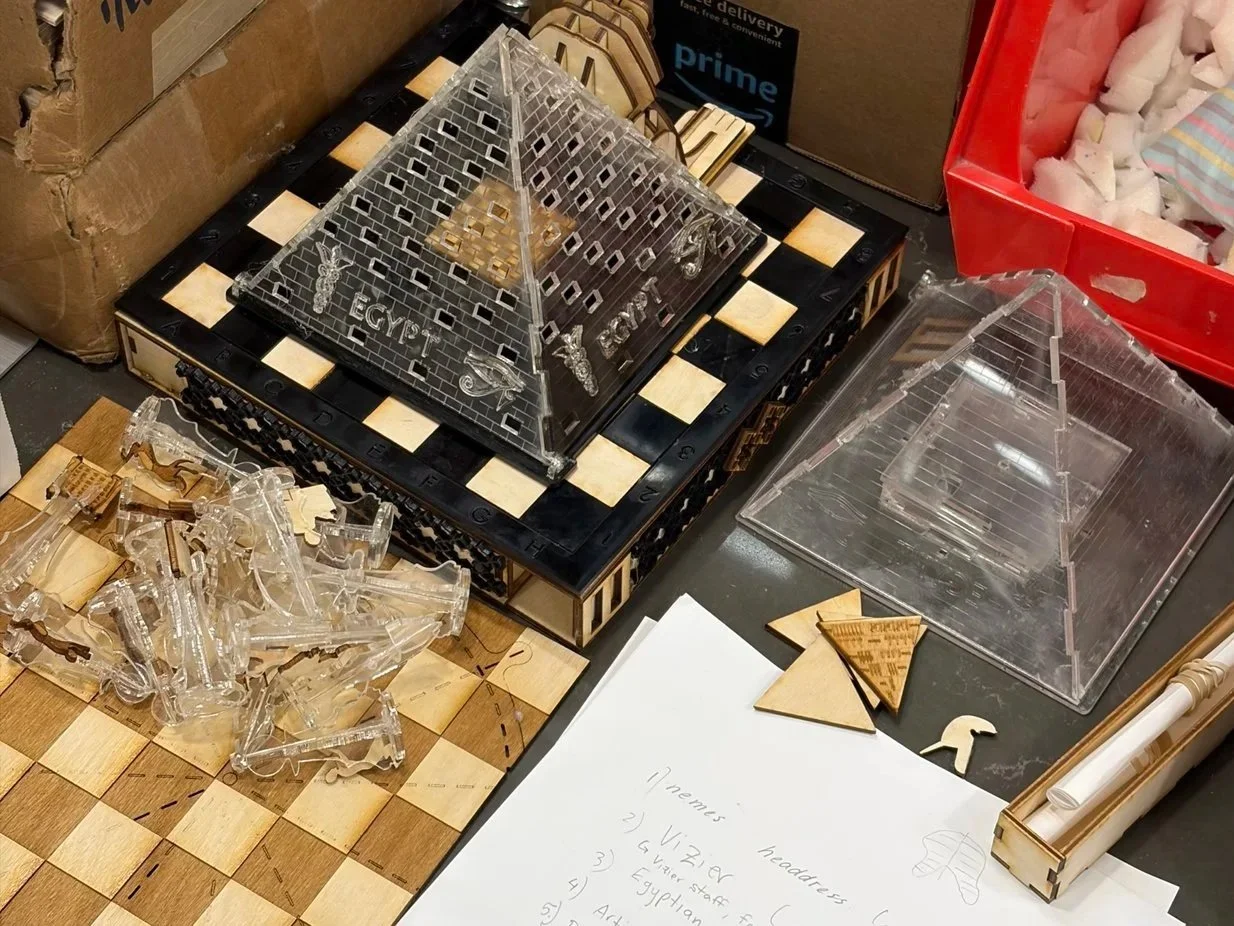
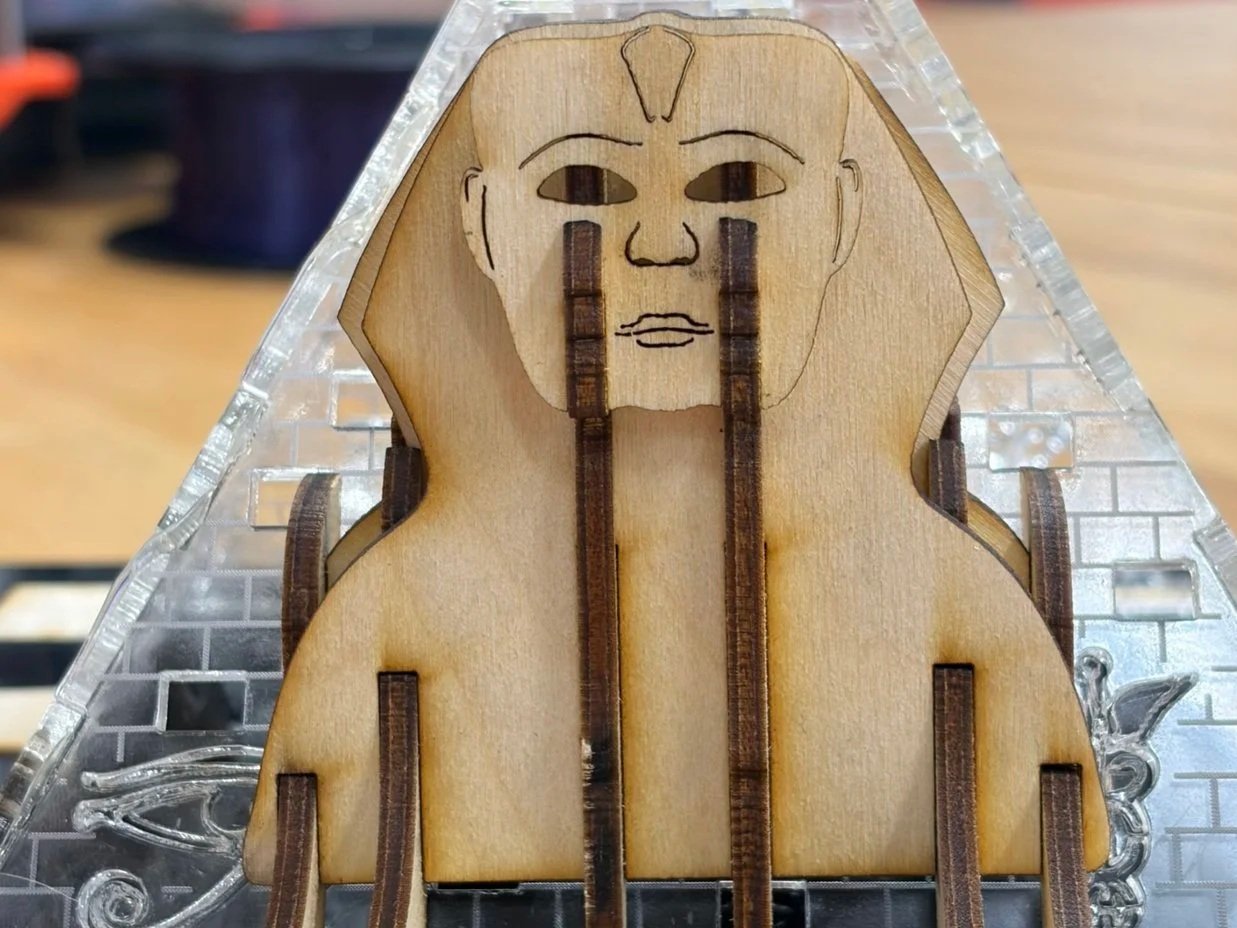
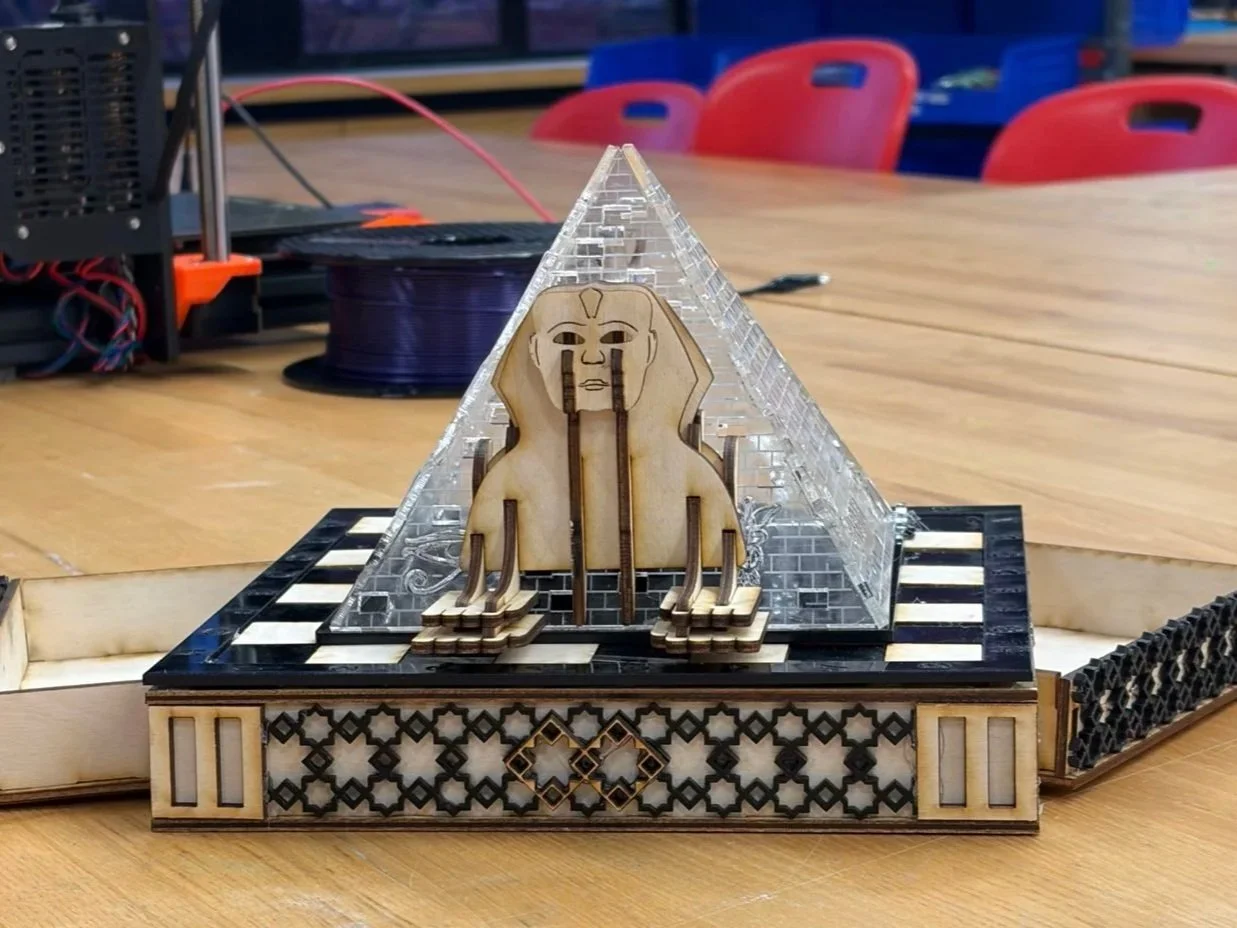
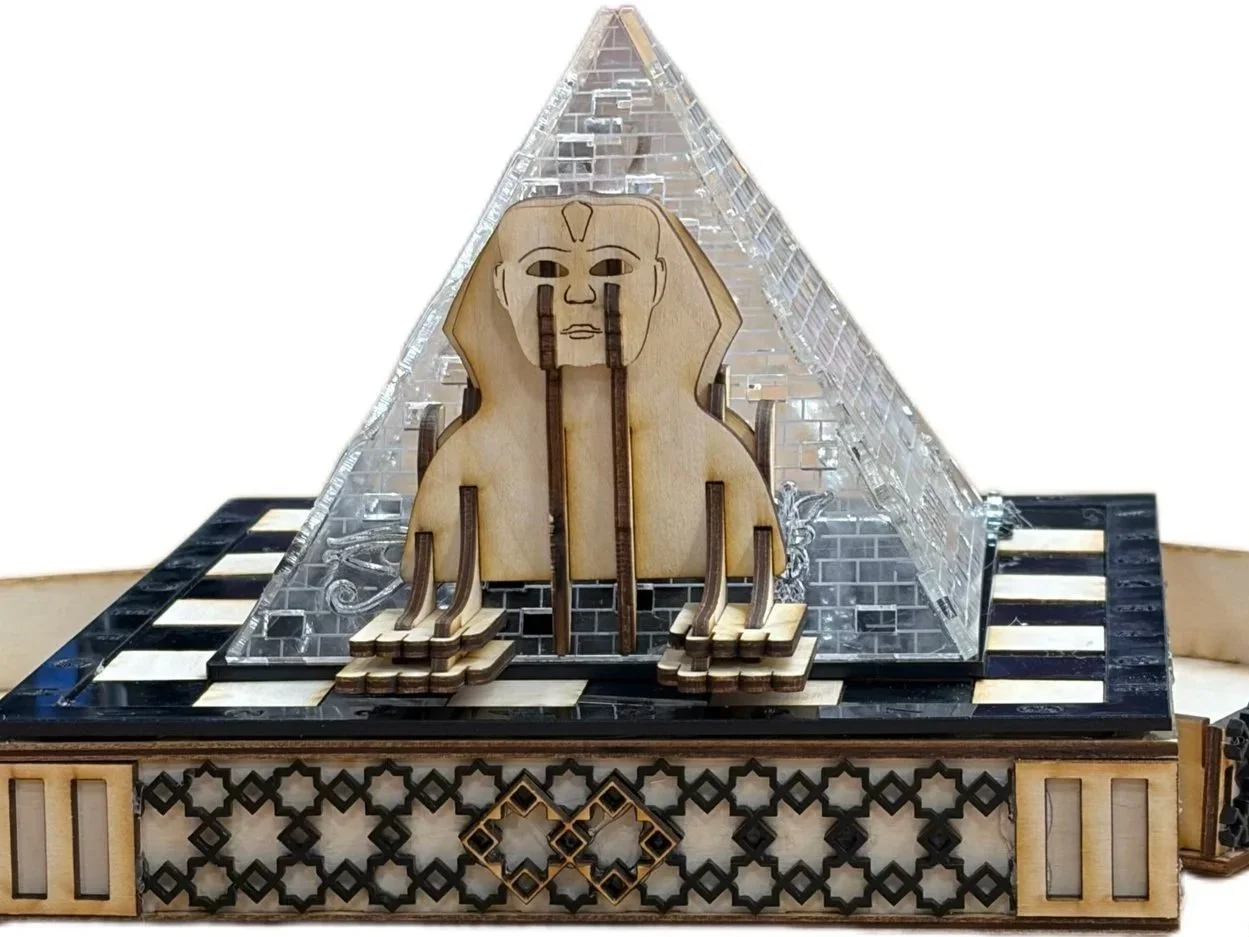
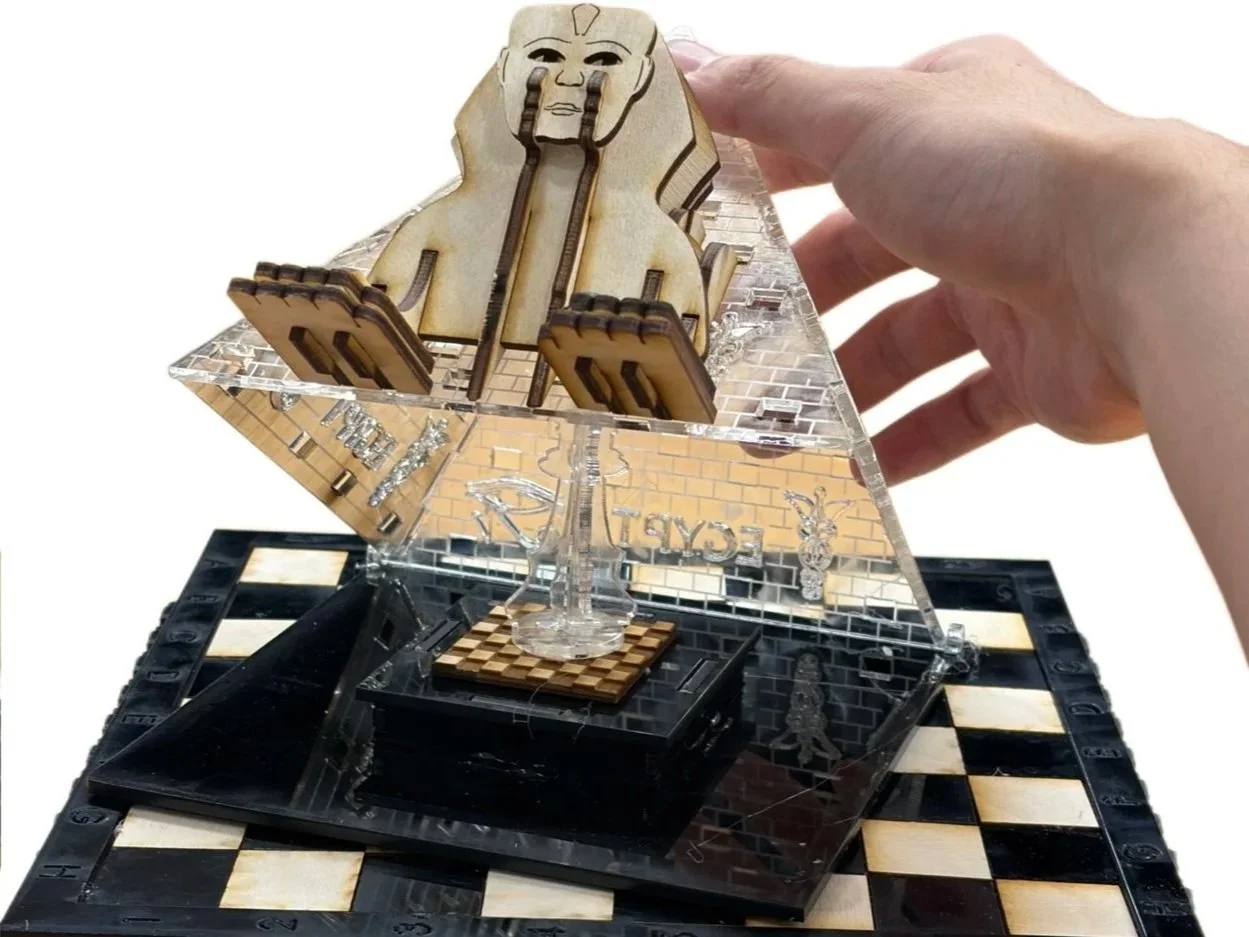
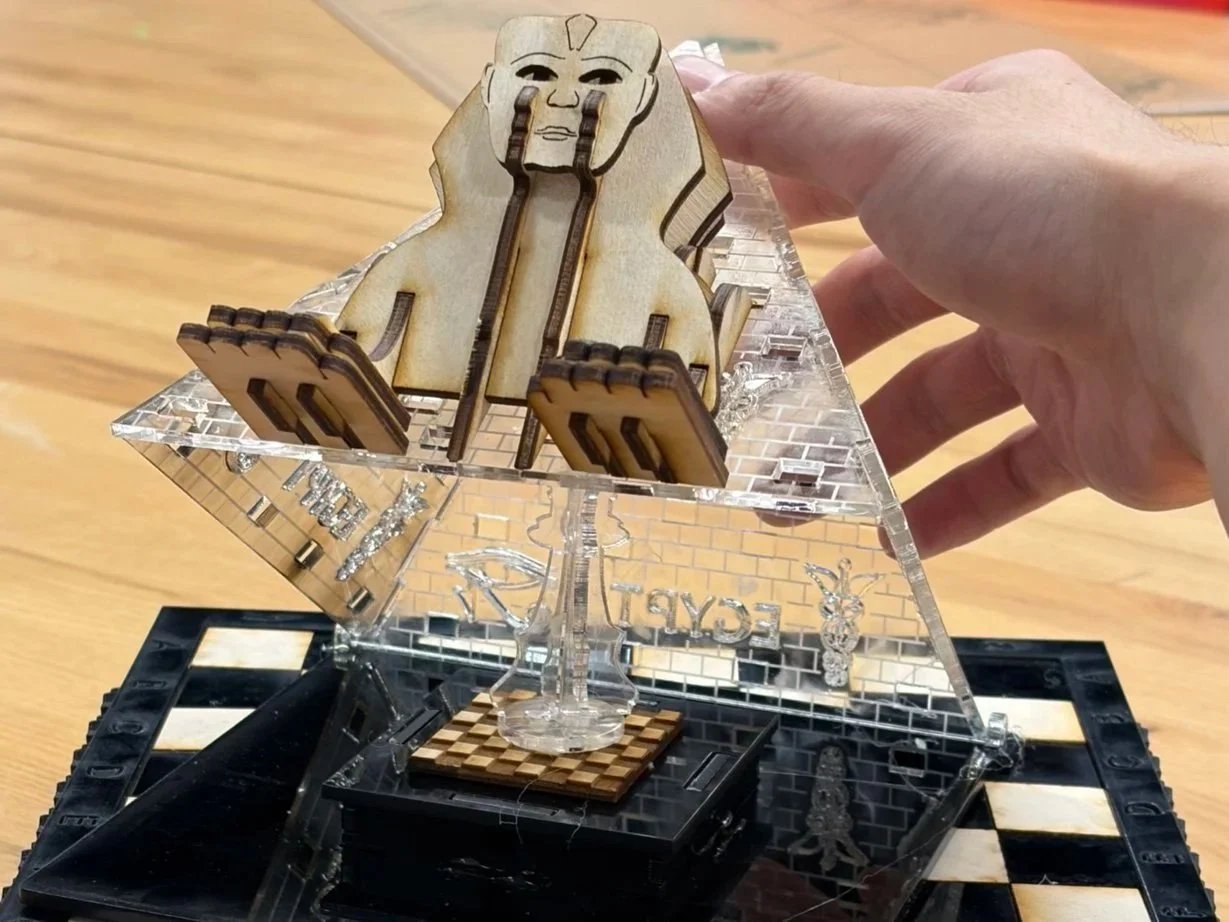
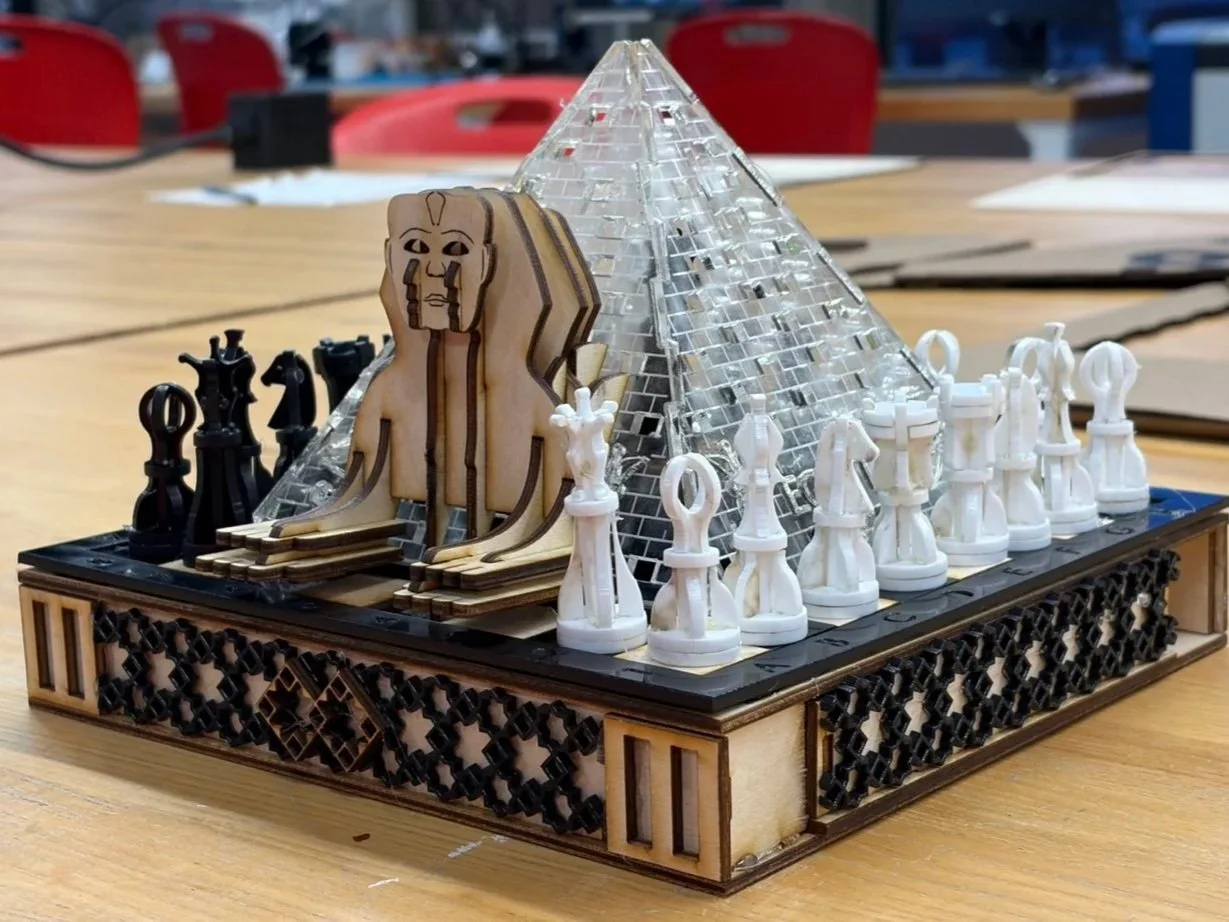
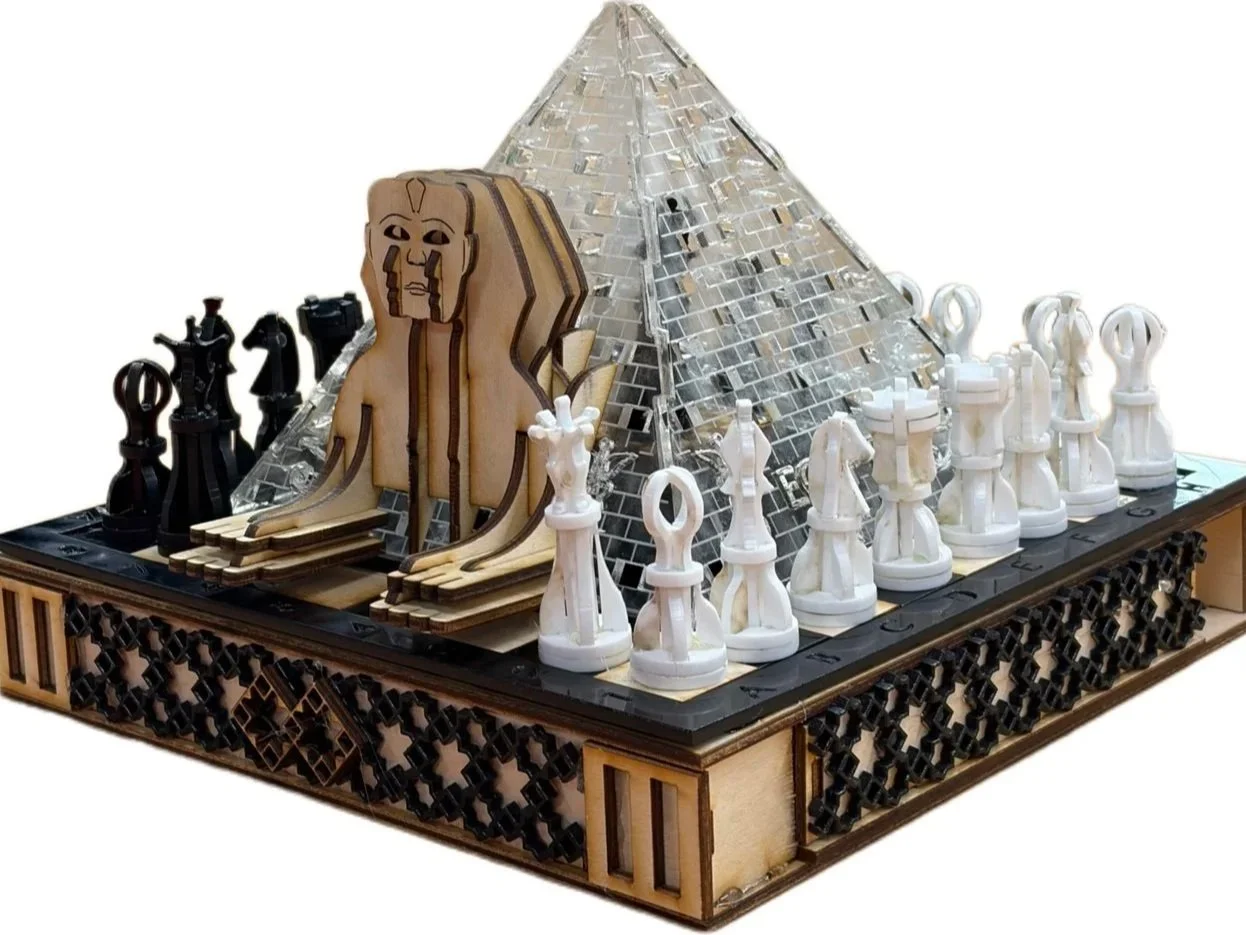
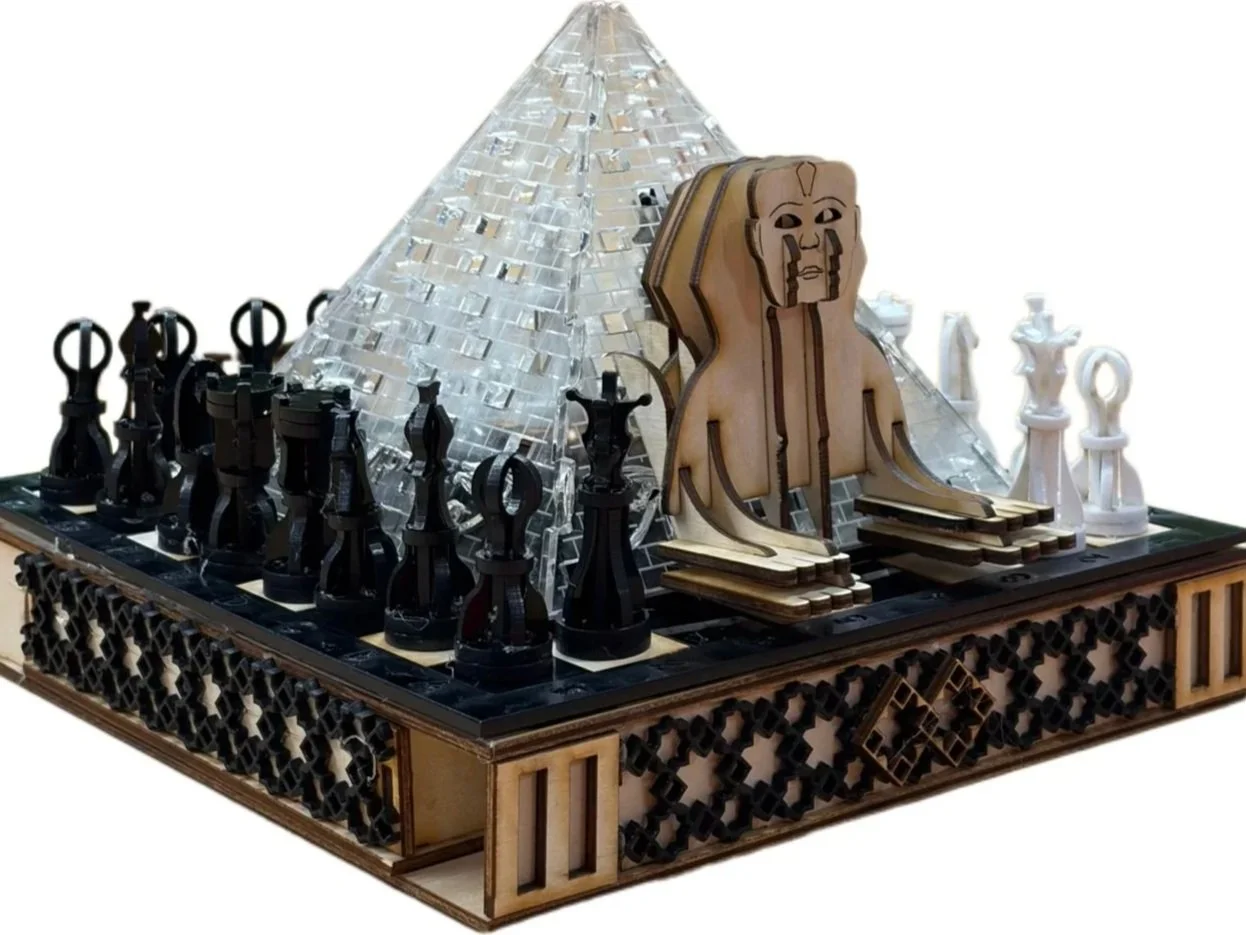
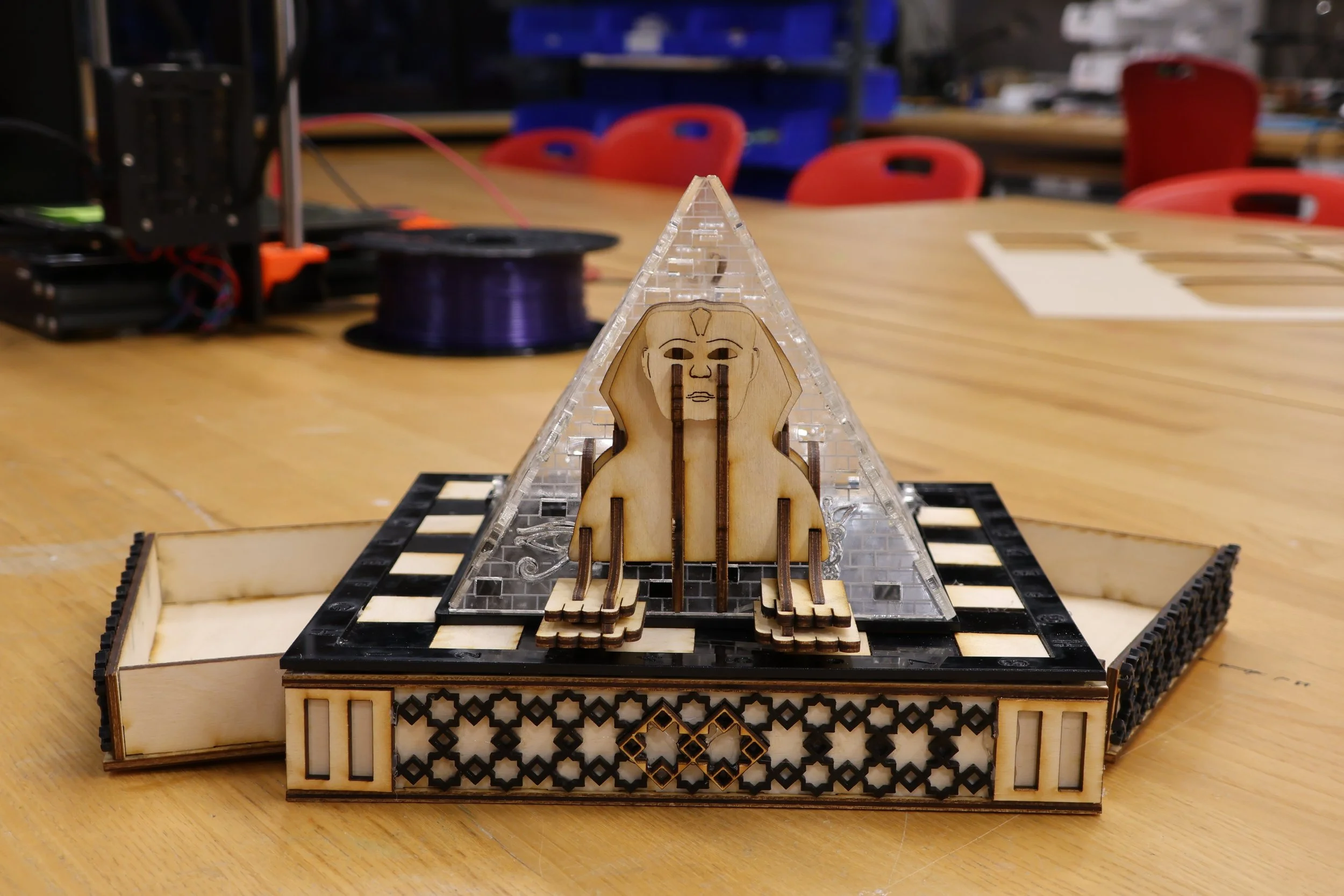
Our final design is a fully laser-cut chess set housed within a decorative, Egypt-themed box, featuring four functional drawers that stores all of the pieces and “secret stories” about Egyptian history. To evoke the landscape and visually anchor the set, we incorporated a large acrylic pyramid and a wodden Sphinx. When the pieces are arranged on the board, the entire object reads as distinctly Ancient Egyptian in a way the initial prototype never fully achieved.
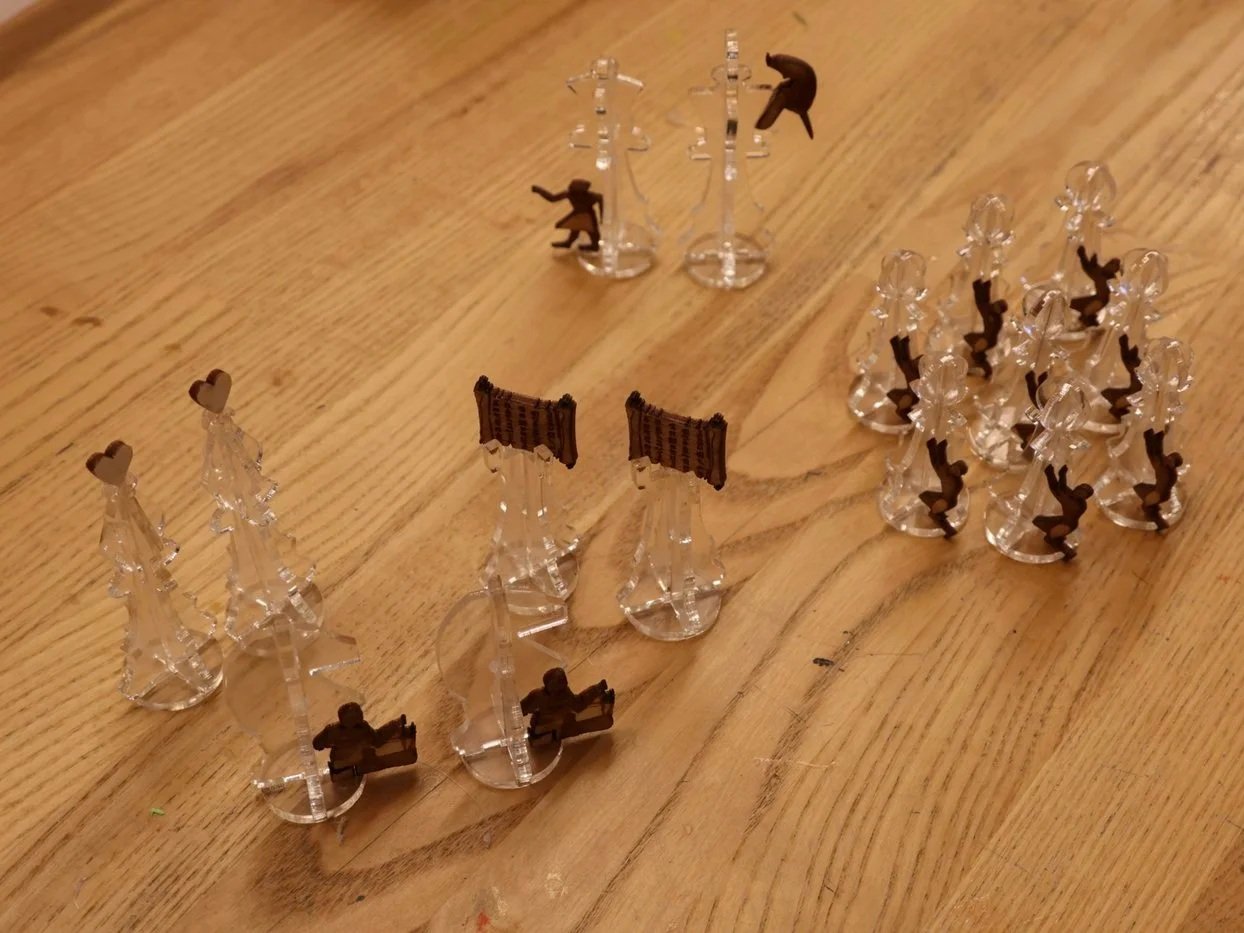
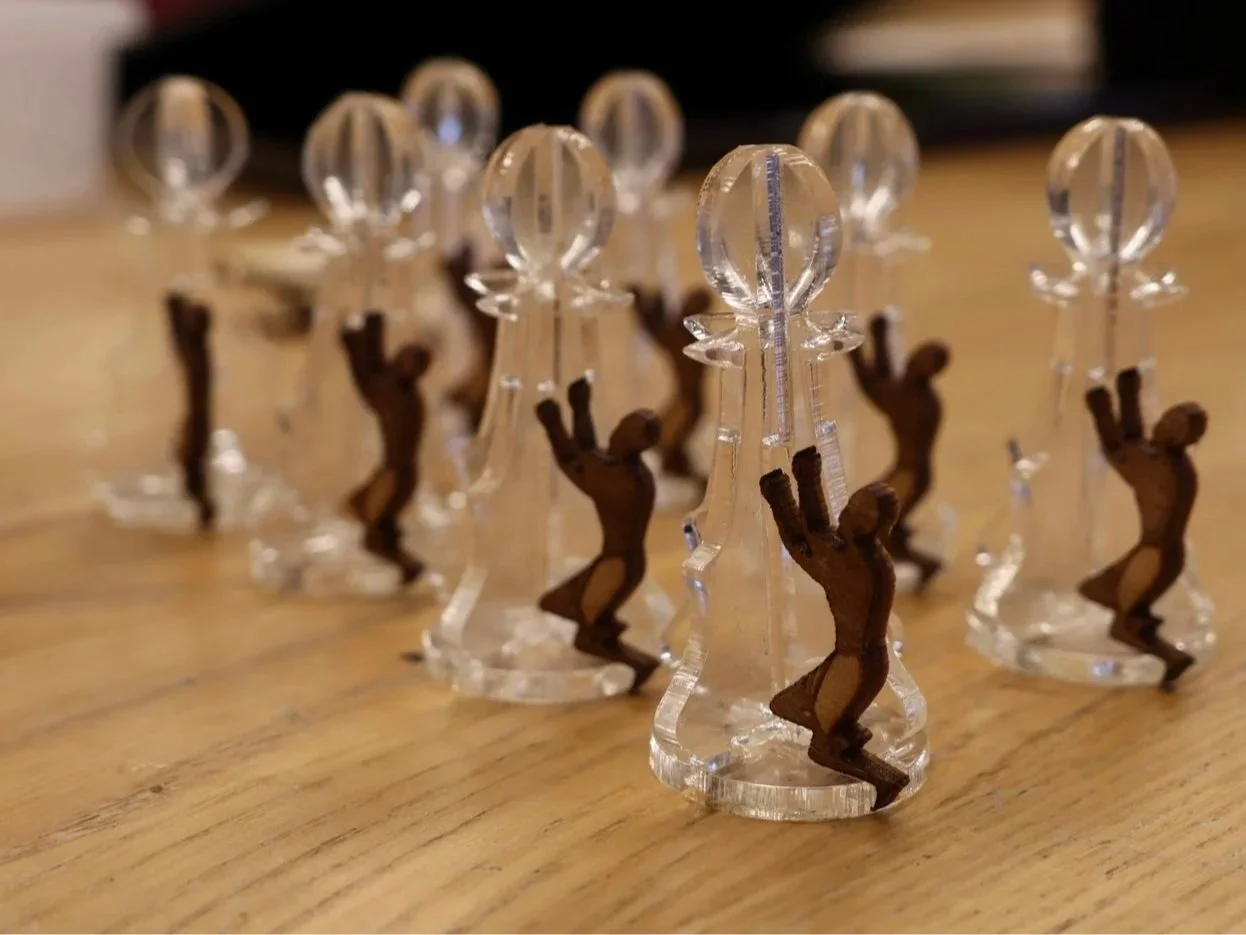
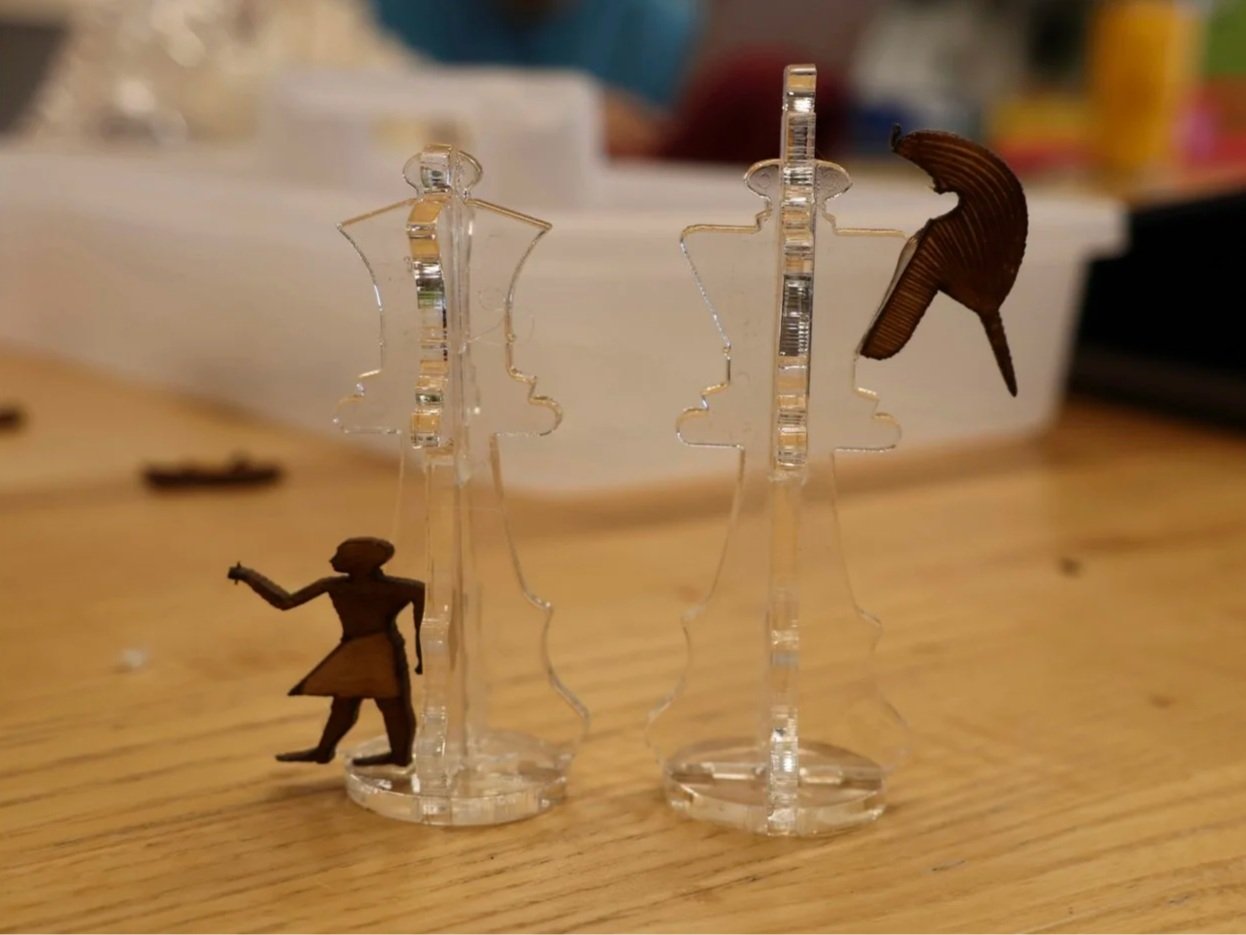
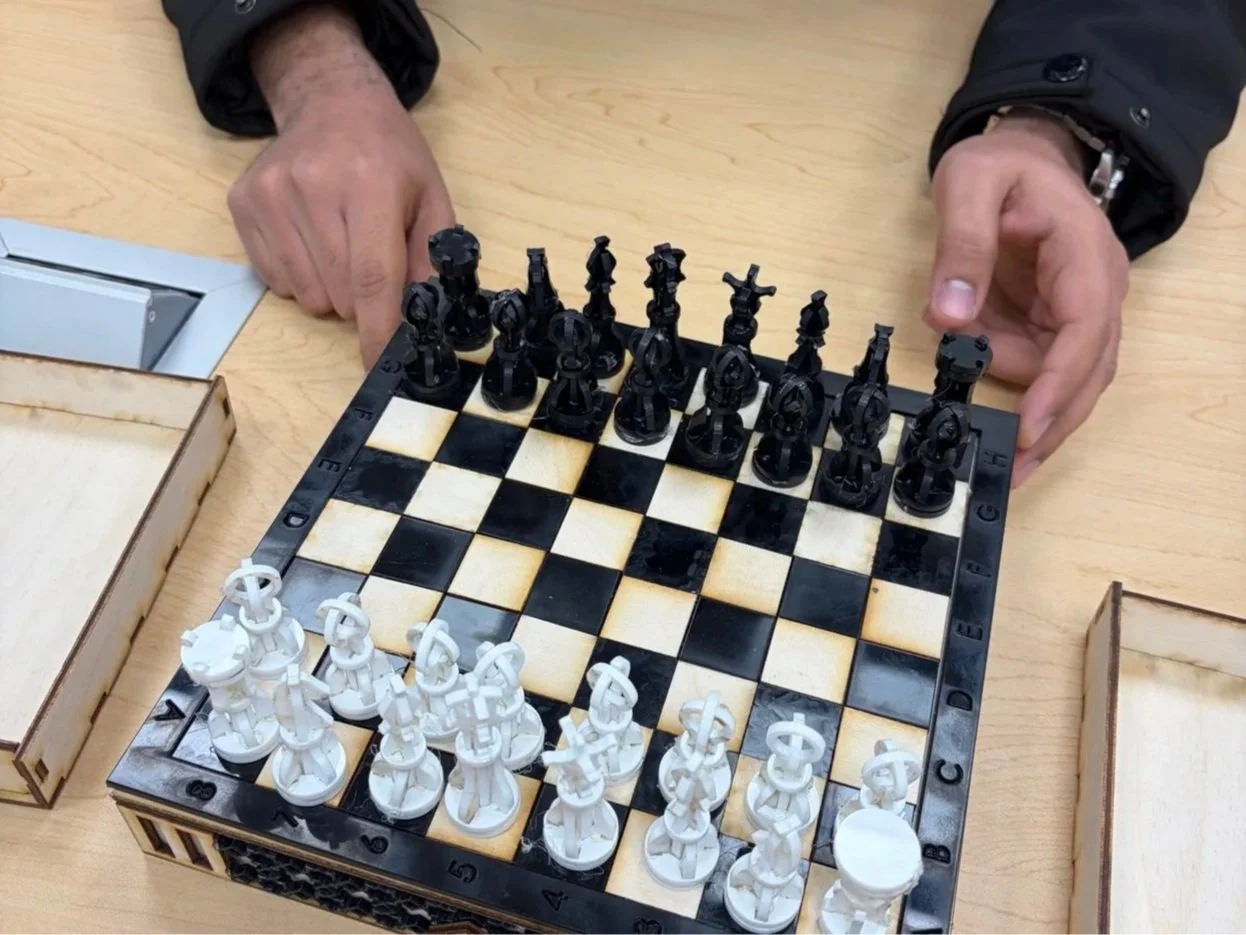
The learning affordances of the game remain grounded in the underlying structure of chess. The Pharaoh (king) embodies concentrated authority paired with vulnerability; the Vizier (queen) represents the greatest power and flexibility; Scribes (rooks) operate through long, direct lines of movement; Artisans (knights) occupy specialized roles defined by non-linear mobility; and Servants or Slaves (pawns) advance slowly with highly constrained agency. Although the pieces ultimately retained a more conventional, laser-cut chess form, their movement patterns and relational positions continue to mirror the power structures we want students to examine and discuss.
This project also draws on several theoretical frameworks explored throughout the semester. Papert’s constructionism (Ackermann, 2001; Stager, 2005) is reflected in the way students learn by manipulating a meaningful, physical object rather than passively consuming information. The design also aligns with theories of embodied cognition (Foglia & Wilson, 2013), as physically moving pieces across the board supports conceptual understanding of power and hierarchy. Additionally, Bruner’s notion of iconic representation (Presno, 1997) informed our efforts—albeit imperfect—to use simplified forms and spatial relationships to communicate social structure and hierarchy through design.
From a technological standpoint, the decision to keep the project physical rather than digital was deliberate. Early high school students already engage extensively with screens, so we aimed to create a learning tool that is tactile, durable, and socially interactive. The laser cutter enabled us to explore pattern, silhouette, and structural precision, while the combination of wood and acrylic materials added visual depth and physical presence. Importantly, these technologies were not used for spectacle; each choice served to extend the learning goals through form. The board functions as a place, the pieces carry identity, and the set as a whole becomes a catalyst for conversation about how societies organize and distribute power.
Conclusions and Future Work
This project returns to our original guiding question: How might we help early high school students experience Ancient Egyptian social hierarchy, rather than merely memorize it? Through the design of an Ancient Egyptian–themed chess game, we sought to transform a static historical diagram into a dynamic system that learners could inhabit, manipulate, and interrogate. By leveraging the inherently hierarchical mechanics of chess, the final design allows students to feel power relations through movement constraints, positional advantage, and vulnerability, making abstract social structures concrete and discussable. While design tradeoffs—particularly around iconography—limited the immediate visual legibility of the hierarchy, user testing confirmed that the core metaphor was compelling and pedagogically meaningful. Grounded in constructionism, embodied cognition, and iconic representation, the project demonstrates how a carefully designed physical learning tool can invite deeper historical reasoning and conversation about inequality, mobility, and power, rather than surface-level recall.
If we had another semester to continue this project, our primary focus would be on strengthening the visual and narrative clarity of the hierarchy. This would include fully developing custom, historically grounded silhouettes for each social group so that roles and power relations could be inferred without prior explanation. We would also expand the “secret stories” into a structured narrative system—such as event cards or scenario-based prompts—explicitly linking piece movement to historical events, conflicts, and moments of social change. Additional classroom-based user testing with actual high school students would allow us to study learning outcomes more systematically and refine discussion prompts for teachers. Finally, we would explore modular or rule-variant versions of the game that foreground questions of social mobility and systemic constraint, enabling students to not only experience the hierarchy as it was, but also to critically reflect on how such systems might be challenged or reimagined.
Individual Contribution (Brit)
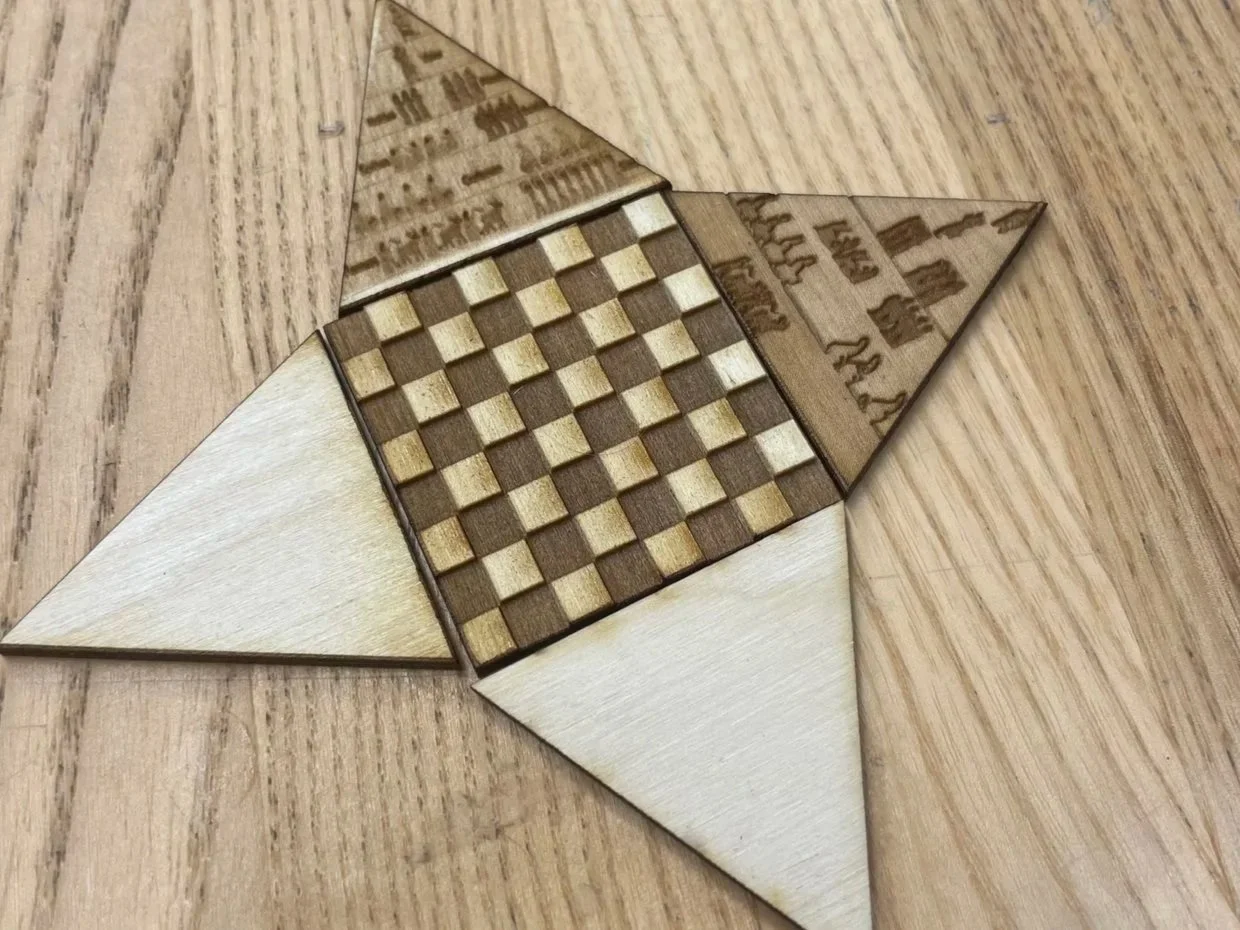
For this project, my main contributions centered on defining the historical and pedagogical direction of the game, creating our early prototypes, and shaping how we presented the work. I chose the historical topic, developed the Ancient Egyptian hierarchy we mapped onto chess, and created the early laser-cut prototypes that helped us understand how the board and pieces might function. I worked on identifying potential iconography for each role, even though we ultimately didn’t use custom icons in our final print. I also built our final class presentation, helped write the blog post, and presented our project at the expo, where I gathered additional feedback for future iterations. Taylor, my partner, took the lead on translating our ideas into the final physical design—his attention to detail and craftsmanship really drove the visual quality of the finished product.
Looking back, there are things I would approach differently if we had the chance to redo this project. As a group, I think we should have committed earlier to developing and testing actual iconography for the hierarchy; delaying that work meant it ultimately didn’t make it into the final product, which limited how clearly the learning goal showed up. If I had worked on this alone, I suspect the build would have been far simpler, and I probably wouldn't have pushed the aesthetics or the fabrication as far as Taylor did. At the same time, working together forced me to articulate my ideas more clearly and to translate historical concepts into design decisions that someone else could build from.
Through this process, I’m walking away with a few broader lessons that I can apply beyond the makerspace. First, define the core learning goal early and let every design decision stem from it—it’s easy to get swept up in fabrication, but clarity upfront saves time later. Second, prototype earlier and more often than feels necessary; our first board came too late for us to meaningfully adjust the visual language before the final build. Third, divide work based on strengths, but hold shared accountability for the big decisions. Even when tasks are split, the conceptual coherence of a project depends on constant alignment. These takeaways feel relevant not just for creative builds, but for collaborative projects in general.
Individual Contribution (Taylor)
In our T519 Digital Fabrication and Making in Education course, Brit and I collaboratively created the Ancient Egyptian Hierarchy Chess Game, a learning tool that teaches players about Egypt’s social structure through gameplay. The project combined digital fabrication, historical inquiry, and design thinking, transforming a traditional game into an engaging educational experience. Our work reflected the course’s maker-centered philosophy—learning through designing, building, and iterating.
My primary responsibility was designing and fabricating the chess pieces, each representing a social role—Pharaoh, Vizier, Scribe, Craftsperson, Peasant, and Servant. After researching symbolic visuals, I proposed switching from 3D printing to laser cutting to balance efficiency and detail. I crafted each piece using transparent acrylic paired with wood-engraved icons, producing a modern yet culturally resonant aesthetic that received positive feedback for its clarity and craftsmanship.
Together, Brit and I also built the chessboard and pyramid-shaped box, ensuring both storage and visual coherence with Egyptian architecture. After completing the MVP, I co-led user testing with our T519 classmates, observing how participants interacted with the game and gathering feedback on recognizability and historical connection. In response, we planned refinements such as color-coded icons, hieroglyphic labels, and story cards or QR codes linking each role to authentic historical events.
This project deepened my understanding of how making, playing, and learning intersect. By iterating on both design and pedagogy, I contributed to turning a prototype into a meaningful learning experience—one that merges aesthetic appeal with educational purpose. The process demonstrated how thoughtful digital fabrication can bring history to life and empower learners to explore knowledge through creative design.
References
Ackermann, E. (2001). Piaget’s constructivism, Papert’s constructionism: What’s the difference? Future of Learning Group Publication, 5(3), 438–453.
Foglia, L., & Wilson, R. A. (2013). Embodied cognition. Wiley Interdisciplinary Reviews: Cognitive Science, 4(3), 319–325. https://doi.org/10.1002/wcs.1226
Presno, C. (1997). Bruner’s three forms of representation revisited: Action, pictures, and words for effective computer instruction. Journal of Instructional Psychology, 24(2), 112–120.
Stager, G. (2005, August). Papertian constructionism and the design of productive contexts for learning. In Proceedings of EuroLogo 2005 (pp. 43–53).
Appendix
Internal Presentation (created by Brit; edited by Taylor)
Product Video (password is yaotaylorjiale) (created by Taylor; edited by Brit)