EDU T127: Final Blog Post
Goal 1: Integrate Learning Theories into Design Practice
Throughout the T127 Practicum, I have grown from a learner of theory to an active designer who applies theory to practice. In my first journal, I reflected on constructivism and constructionism as foundational perspectives guiding how people learn. I recognized that learning occurs most powerfully when learners are engaged in both sense-making and creating tangible artifacts that represent their understanding. These ideas directly informed my approach to our How People Learn redesign project, where I translated theoretical frameworks into concrete design choices for in-service teachers.
Later, in Week 5’s Learner/Human-Centered Design session, I expanded this understanding by realizing that “learning designers are humans, designing learning for humans.” As I wrote then, “If you’re not designing for someone, you’re designing for no one,” a quote from our professor Bill that reshaped my mindset. This insight helped our team tailor the course around learners’ developmental trajectories and constraints rather than abstract instructional goals.
By the time we reached the Develop and Deliver phases, I could clearly see how learning theories—such as cognitive load theory, behaviorism, and constructivism—intersected with practical design decisions. My capstone prototype embodied these principles by balancing conceptual depth with accessibility and interactivity. This evolution from theoretical comprehension to design enactment demonstrates my achievement of Goal 1: grounding every creative decision in a research-based understanding of how people learn.
Goal 2: Strengthen Collaboration and Professional Communication in Design Teams
My second goal centered on developing collaborative and professional communication skills within the TLL project team. Across the semester, I continuously refined my ability to listen actively, negotiate ideas, and translate diverse perspectives into coherent design outcomes.
In Reflective Journal #2, I described our team’s debates about content selection—“deciding what should be retained and what should be removed”—and how we sought to reach consensus through iterative discussions and learner-centered reasoning. These collaborative challenges helped me practice diplomatic communication and appreciate the creative friction that fuels meaningful design.
By the time of the Week 9 asynchronous session, I reflected on how our project workflow adapted to remote collaboration. Although I initially felt less motivated in self-directed online learning, I also learned to manage my time and maintain communication asynchronously via Slack and shared documents. The process taught me that professional teamwork in instructional design often requires balancing autonomy with collective accountability.
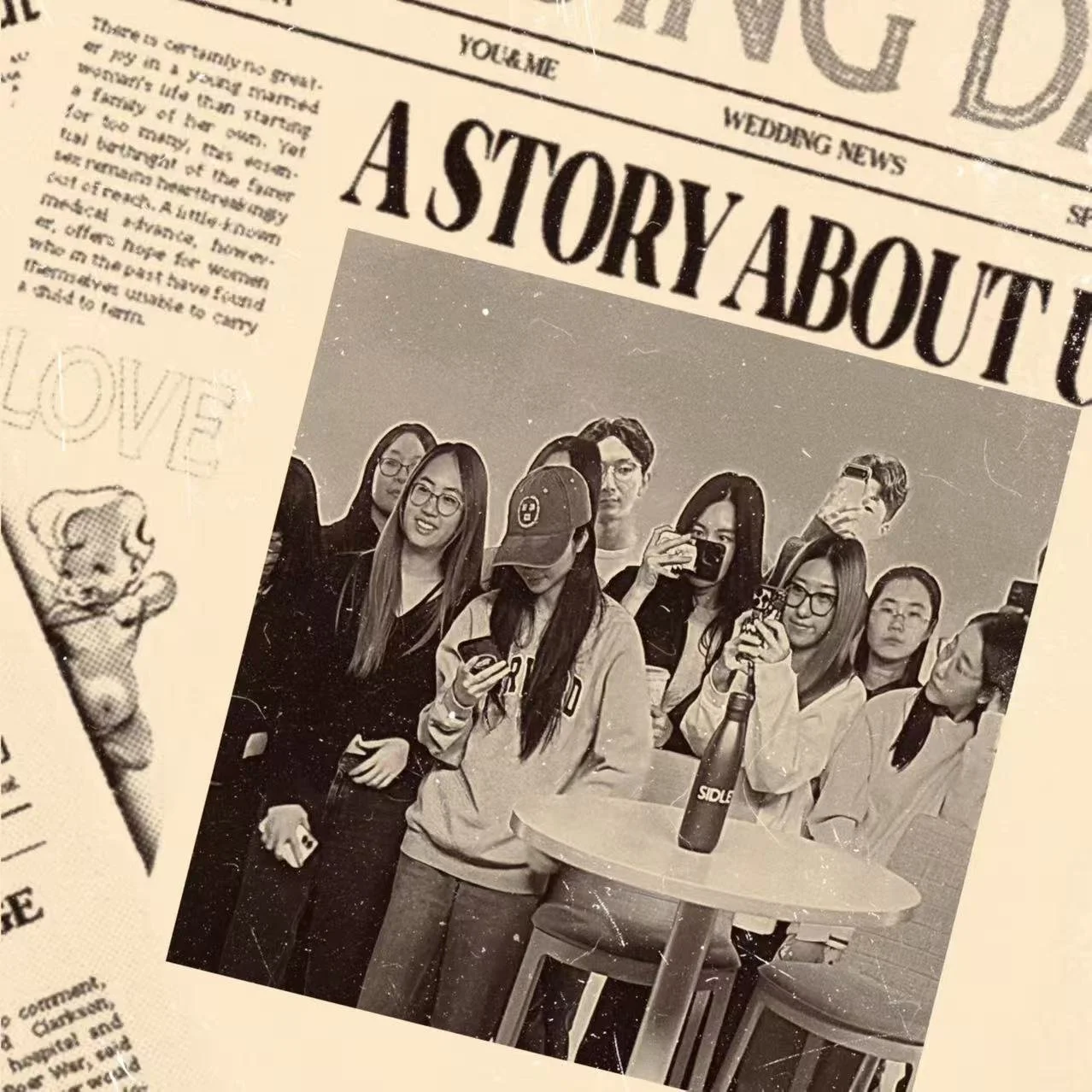
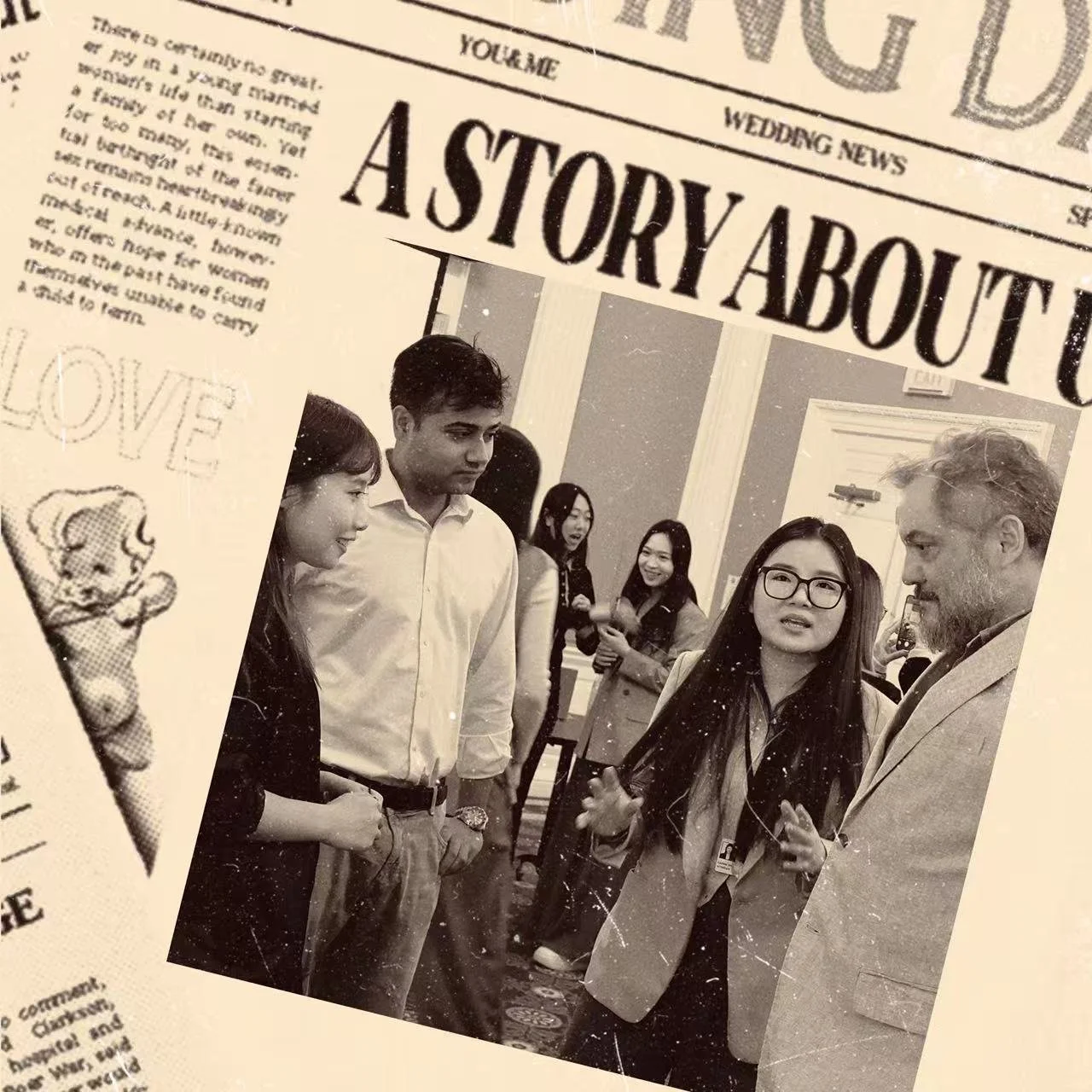
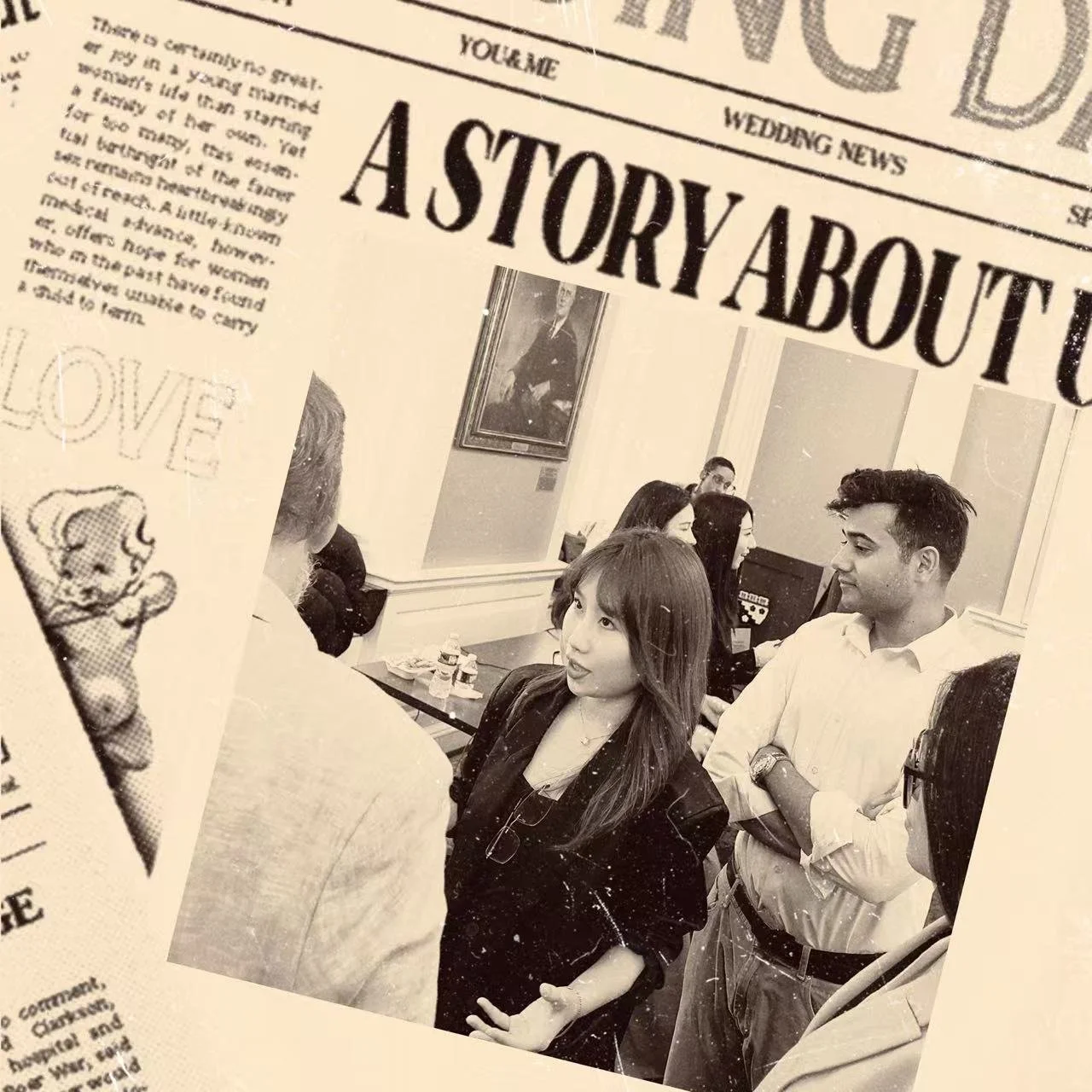
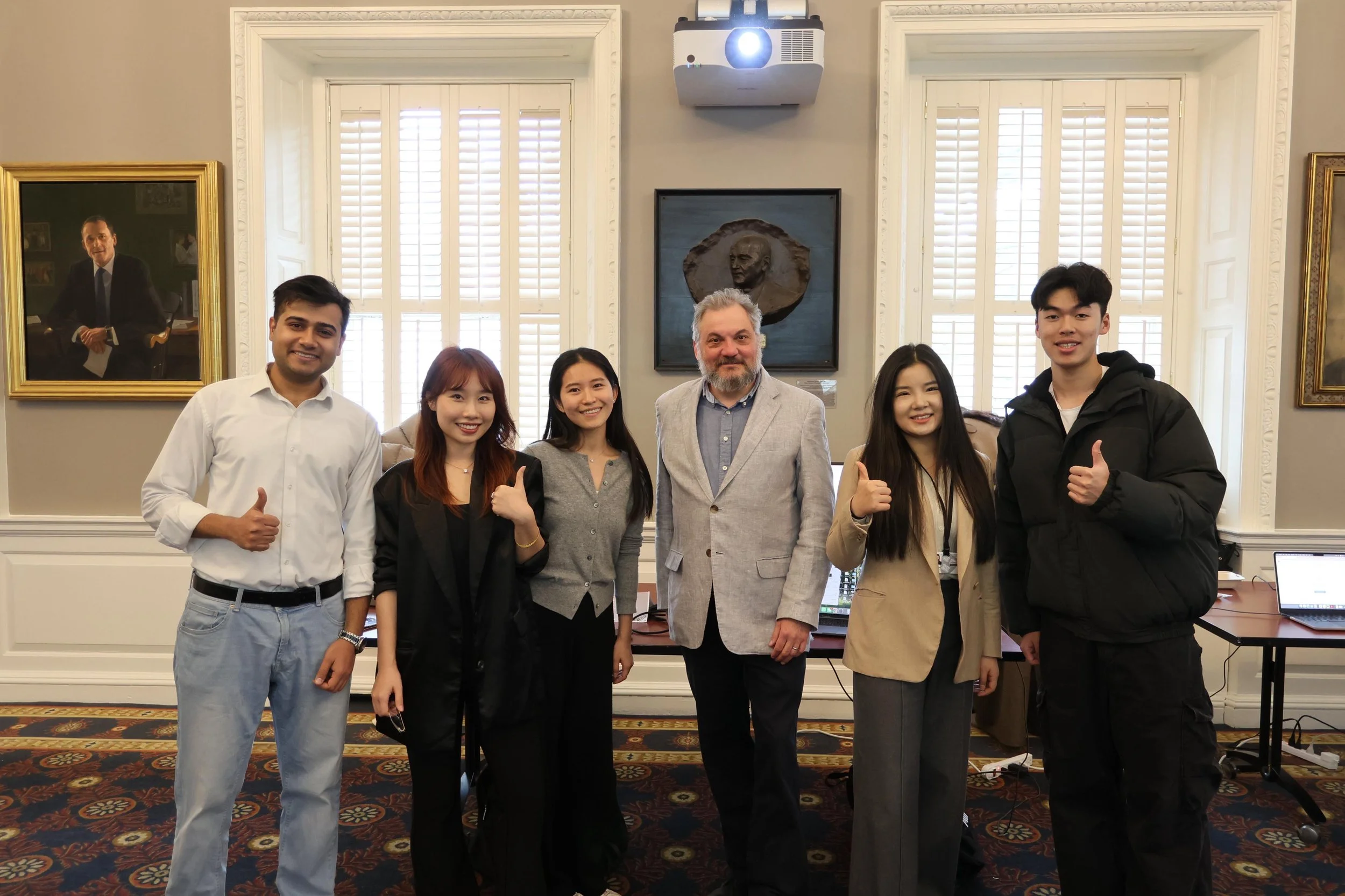
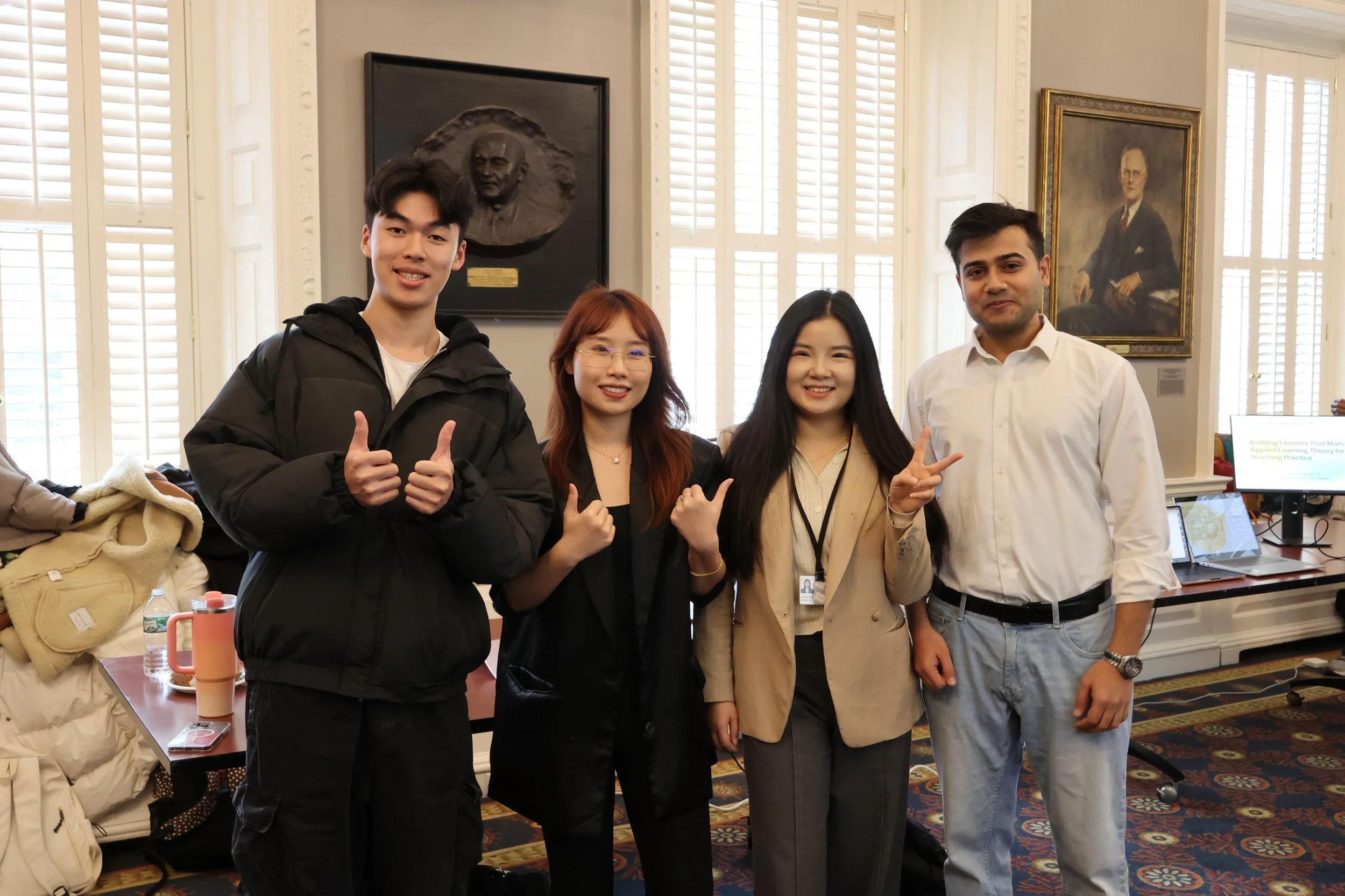
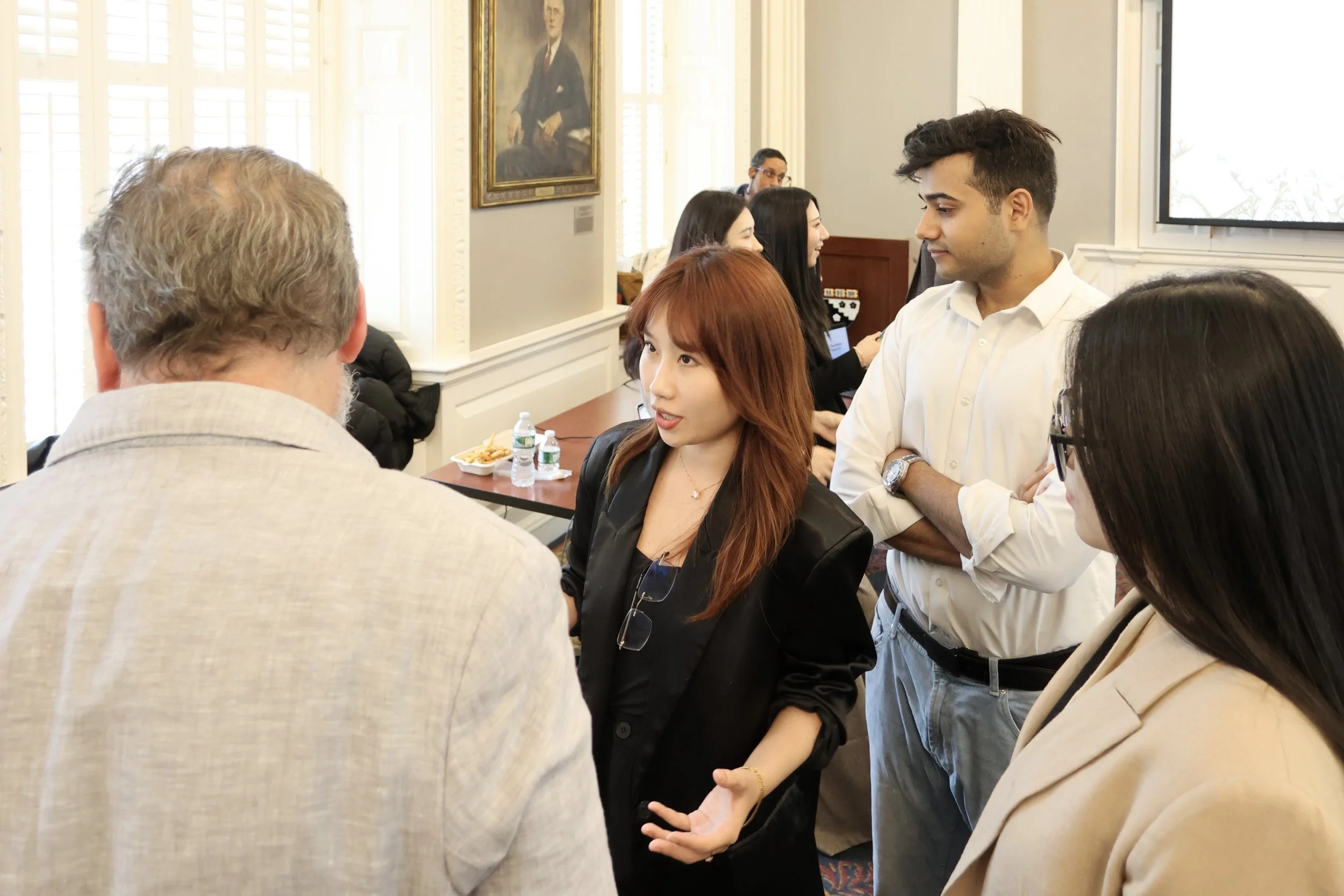
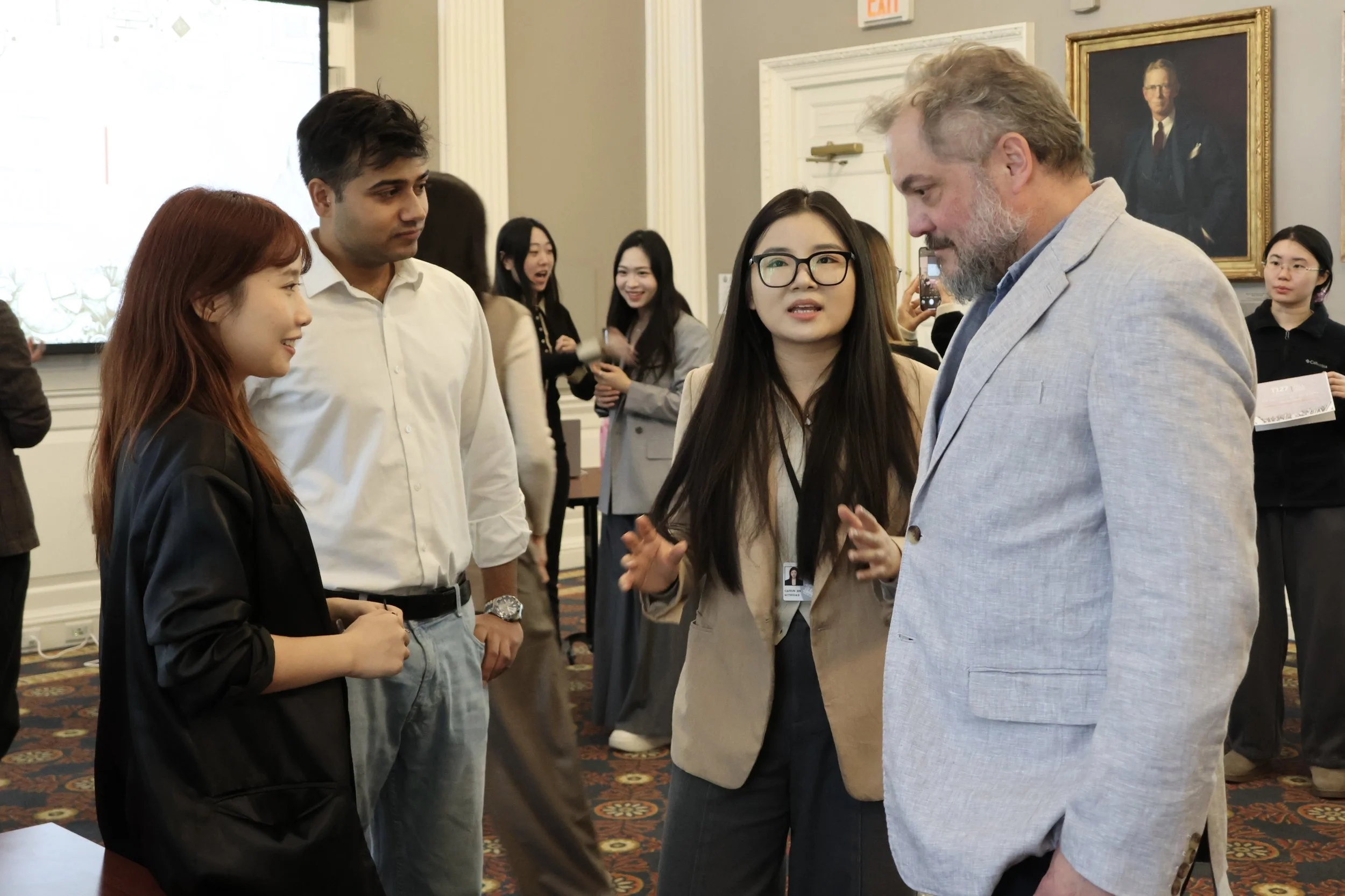
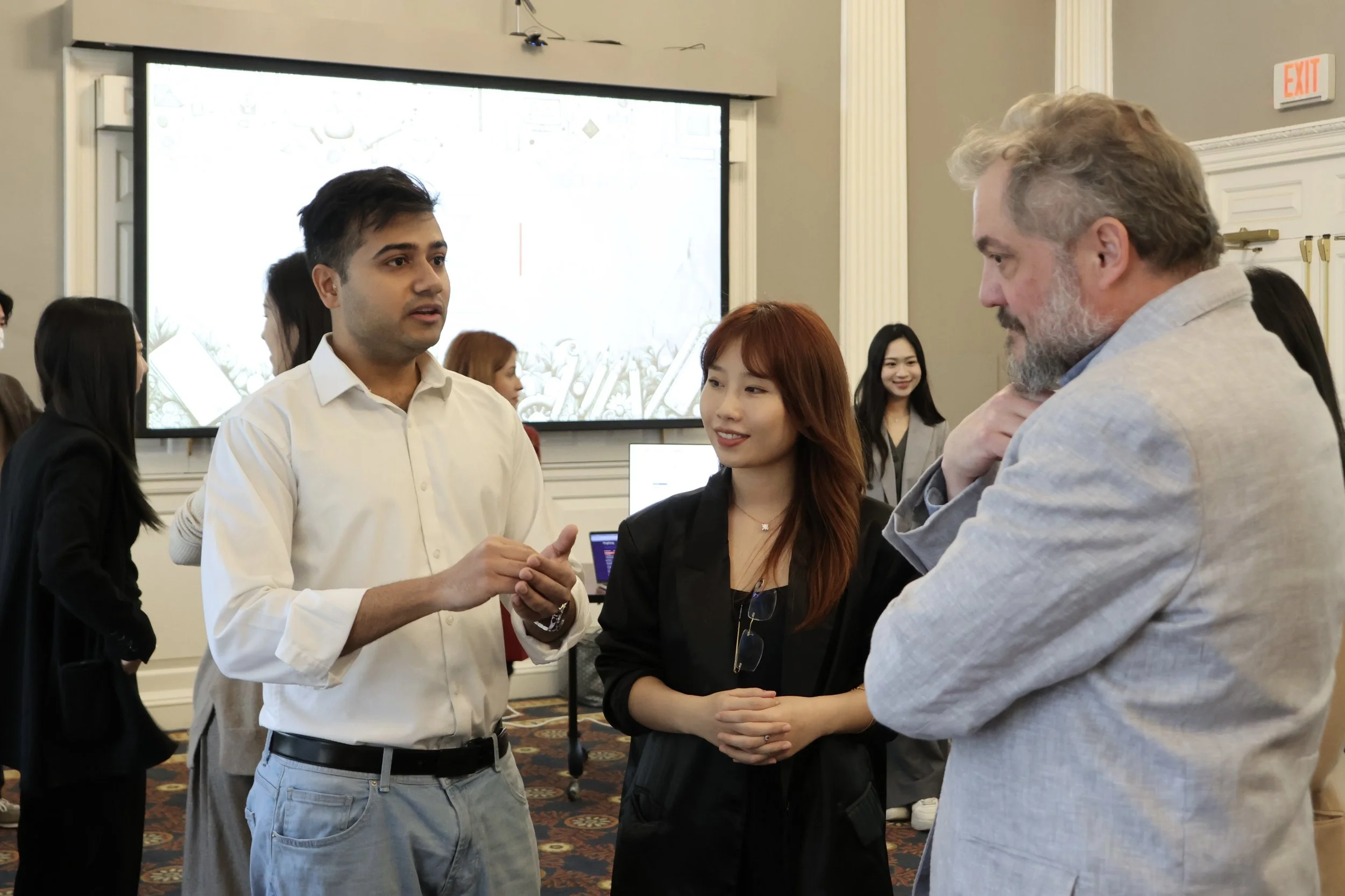
Finally, during the Gallery Expo on November 20 — our project’s public showcase — I witnessed how collaborative preparation leads to professional growth. I helped script and rehearse our five-minute presentation, coordinate flyer design, and respond to audience questions about AI in education. Engaging with visitors and colleagues strengthened my confidence as both a communicator and a designer representing our collective work. Through these iterative experiences, I achieved Goal 2 by transforming collaboration from a logistical necessity into a space for shared creativity and professional identity-building.
Goal 3: Develop a Professional Learning Designer Portfolio Demonstrating Equity-Focused Design
Conclusion
My third goal was to curate a professional ePortfolio that demonstrates inclusive and equity-driven learning design. This goal was realized progressively through the reflective and project-based nature of T127.
From the Week 5 learner-centered design session, I learned to analyze learners’ needs through empathy rather than assumption, integrating insights from interviews with 50 in-service teachers into our design framework . We reorganized the How People Learn course into two thematic modules—Learner Development and Learning Environment Design—to address the diverse needs of practitioners seeking flexibility and relevance.
In my third journal, I analyzed online learning accessibility and equity by comparing synchronous and asynchronous formats. I proposed structural changes—such as dividing large-scale MOOCs into smaller cohorts and combining on-ground and online options—to ensure that diverse learners can thrive regardless of digital literacy or time zone constraints . These reflections were directly incorporated into our course prototype, reinforcing T127’s enduring understanding that “constraints are good, up to a point,” and that thoughtful limitations can enhance inclusion.
Finally, in my fourth reflection, I synthesized the semester’s learning into a vision of AI-enhanced yet human-centered classrooms. Drawing from Dede, Etemadi, and Forshaw’s (2021) concept of Intelligence Augmentation, I argued that equitable design means empowering teachers and learners alike to use AI ethically and accessibly. My portfolio now documents this journey through annotated design artifacts, reflection posts, and capstone analyses that together narrate my evolution into an equity-minded instructional designer.
Looking back, these three goals represent a coherent developmental arc. I began T127 as a learner fascinated by theories of learning, and I ended the course as a reflective practitioner capable of translating those theories into collaborative, equity-driven, and professionally grounded design practice. Through the creation of my ePortfolio, I not only met the learning outcomes outlined in the syllabus but also crafted a living record of my growth as a human-centered learning designer who views every project as an opportunity to make education more inclusive, intentional, and humane.
Katrina — Responsible for evaluating teaching methods, assessing results, and helping teachers adopt effective strategies.
Taylor — Responsible for identifying and developing use cases, frameworks, and real examples that teachers can learn from and apply.
Hassan — Responsible for understanding learners, focusing on brain science, developmental stages, and mental processes. Shutong — Accountable for overall project direction and integration; Responsible for customizing teaching plans with the AI mentor and ensuring coherence across all modules.
If you’re not designing for someone, you’re designing for no one.
If you’re not designing for someone, you’re designing for no one.
-
![]()
Reflective Journal #1
I explored how constructivism and constructionism shape effective learning and teaching, connecting these theories to my own classroom and design practices.
-
![]()
Reflective Journal #2
I examined how learner-centered design principles guided my team’s redesign of the How People Learn course to meet the specific needs of in-service teachers.
-
![]()
Reflective Journal #3
I reflected on the challenges and potentials of online learning, proposing design strategies that enhance motivation, interaction, and accessibility for diverse learners.
-
![]()
Reflective Journal #4
I synthesized my learning by envisioning a teacher–AI collaboration model that empowers educators through ethical, human-centered integration of technology.